Can Working From Home Change a Person’s Daily Routine? A Complete Guide
Yes, working from home can change a person’s daily routine in many ways. It can affect when someone wakes up, how they prepare for work, when they eat, how often they exercise, how they spend time with family, and when they stop working.
For many people in the United States, remote work has become a regular part of working life. Some employees work completely from home, while others follow a hybrid schedule that combines home and office days. The result is a major change in how people organize their time.
The biggest difference is simple: the workplace and the home are often the same place.
That can provide greater flexibility. A worker may no longer need to spend an hour commuting, can prepare lunch at home, or may have more freedom to manage personal responsibilities during the day. At the same time, working from home can make it harder to separate professional responsibilities from personal life.
What Does Working From Home Mean?
Working from home means performing job responsibilities from a person’s home instead of regularly working at a traditional office or workplace.

Remote work can take several forms. Some employees work from home every day. Others work remotely only on certain days and go to the office on other days. This second arrangement is commonly called hybrid work.
The exact routine depends on the employer, job type, industry, working hours, and employee responsibilities.
A software developer may have considerable flexibility during the day. A customer service representative may need to remain available during specific hours. A teacher, healthcare worker, construction employee, or retail worker may not be able to perform most of their responsibilities from home.
This means that working from home does not affect everyone in exactly the same way.
However, when a job can be performed remotely, changing the workplace from an office to a home can influence many parts of a person’s everyday schedule.
How Does Working From Home Change the Morning Routine?
The morning routine is often one of the first areas affected by remote work.
Without a commute, workers may not need to wake up as early. Someone who previously needed to leave home at 7:30 a.m. may be able to start working at 8:30 a.m. without traveling anywhere.
Also Read: Can Lifestyle Changes Solve Problems Caused by a Difficult Remote Job?
The saved time can be used in different ways.
Also Read: Can Working From Home Affect a Person’s Social Life? A Complete Guide
Some people may use it to sleep longer. Others may prepare breakfast, exercise, take a walk, read, or spend time with their children.
A remote worker might also have a slower and less stressful morning because there is no need to deal with traffic, parking, crowded trains, or other transportation problems.
But there is another possibility.
Some people may wake up only a few minutes before their workday begins. Although this saves time, it can make the transition from sleep to work feel abrupt.
A simple morning routine can provide structure.
For example, a worker might:
- Wake up at a consistent time
- Drink water
- Get dressed
- Eat breakfast
- Take a short walk
- Review the day’s priorities
- Begin work at a planned time
The routine does not need to be complicated. Its main purpose is to create a clear beginning to the day.
Does Working From Home Reduce Commuting Time?
One of the clearest effects of remote work is the reduction or elimination of commuting.
For some American workers, commuting can take a significant amount of time. Removing that travel can create more available time during the day.
A person who previously spent one hour traveling to work and one hour returning home could potentially regain two hours each workday.
That time can be used for many purposes.
It might allow someone to:
- Sleep longer
- Exercise
- Prepare meals
- Spend time with children
- Complete personal tasks
- Read
- Relax
- Walk outdoors
- Start or finish work at a more convenient time
However, saved commuting time does not automatically become free time.
Some workers may simply begin working earlier or finish later.
For example, if a person used to leave home at 7:00 a.m. but now opens their laptop at 7:00 a.m., the commute has disappeared but the workday has not necessarily become shorter.
This is why remote workers should consciously decide what they want to do with the time saved by eliminating the commute.
How Does Remote Work Affect Breakfast and Meal Times?
Working from home can change when and where people eat.
Office workers may have a fixed lunch period because of workplace schedules. Remote employees may have more control over meal times.
Having a kitchen nearby can also make home cooking easier.
A person may prepare lunch instead of purchasing food near an office. They may also have access to foods that are not available at work.
This flexibility can be helpful, but it can create new habits as well.
A person who works close to the kitchen may snack more often. Another worker may become so focused on a project that they skip lunch.
Neither extreme is ideal.
A planned meal break can provide both physical nourishment and mental separation from work.
Whenever possible, eating away from the computer can help make lunch feel like an actual break rather than another work activity.
Can Working From Home Change Exercise Habits?
Yes, and the effect can go in either direction.
Some people become more active because they have additional time available after removing their commute.
For example, a person may use the former commuting period for:
- Walking
- Running
- Cycling
- Stretching
- Strength training
- Yoga
- Home workouts
Other people may become less active.
An office job can involve small amounts of movement throughout the day. Employees may walk to meeting rooms, visit coworkers, walk through a parking lot, or travel to lunch.
A person working from home may walk only a few steps between the bedroom, kitchen, and workspace.
This can make movement less automatic.
A useful remote-work routine therefore includes intentional movement.
A worker does not necessarily need a long workout during the workday. Short walks, stretching, standing, or moving between tasks can help break up long periods of sitting.
The important point is to avoid allowing the convenience of home to turn the entire workday into uninterrupted sitting.
Does Working From Home Change Sleep Patterns?
Working from home can affect sleep schedules because it changes the relationship between morning preparation and commuting.
A person may be able to sleep longer because they do not need to travel to an office.
That can be beneficial if it allows the person to get adequate rest.
However, remote work can also encourage later bedtimes.
If there is no morning commute, a person may feel less pressure to go to bed at a consistent time. Over several days, this can shift their schedule.
The problem is not necessarily waking up later.
The more important issue is consistency.
Someone who works from home can have a later schedule and still maintain a stable routine if that schedule fits their job and responsibilities.
For many workers, a predictable sleep and wake pattern can make the rest of the day easier to organize.
Can Working From Home Improve Work-Life Balance?
Working from home can improve work-life balance for some people, but it does not guarantee it.
One major advantage is flexibility.
A person may be able to handle certain personal responsibilities without spending time traveling to and from work.
For example, they might have more time to:
- Prepare dinner
- Pick up a child
- Attend an appointment
- Complete an errand
- Spend time with family
- Exercise
- Manage household responsibilities
Pew Research Center has found that many U.S. workers whose jobs can be performed from home say remote work helps them balance work and personal responsibilities.
However, remote work can also blur the line between professional and personal life.
When the office is inside the home, work can feel like it is always nearby.
A person may answer one message after dinner and then notice another email. That can lead to a pattern in which the workday never feels completely finished.
A strong boundary between work and personal time can therefore be just as important as flexibility.
Why Is the End of the Workday Different at Home?
The end of the workday can be harder to define when someone works remotely.
An office worker normally leaves the workplace. The commute provides a physical transition between work and home.
A remote worker may simply close a laptop and remain in the same room.
This difference may appear small, but it can affect how people mentally separate work from personal life.
One useful solution is to create an end-of-day routine.
For example, a worker could:
- Review unfinished tasks.
- Write down the first task for tomorrow.
- Close work applications.
- Turn off unnecessary notifications.
- Put away work equipment.
- Leave the workspace.
- Take a short walk.
The walk is not a replacement for a real commute. It simply creates a transition.
This kind of routine can teach the brain that work has ended even though the person has not physically traveled anywhere.
Can Working From Home Increase Productivity?
Working from home can improve productivity for some people, but the outcome depends on the individual and the type of work.
A quiet home environment may make it easier to concentrate on tasks that require deep focus.
For example, someone who writes, programs, analyzes information, designs products, or performs other computer-based work may appreciate fewer office interruptions.
Other people may find home more distracting.
Household responsibilities, children, pets, deliveries, neighbors, phones, and personal devices can interrupt concentration.
Research on hybrid work also suggests that there is no simple rule saying remote work automatically makes employees more or less productive. A Stanford-led study of hybrid work found that, in the studied company, employees working from home part of the week maintained performance while reporting improvements in job satisfaction and work-life balance.
The lesson is important: productivity depends on the work environment, job requirements, management practices, and individual circumstances.
How Can Working From Home Affect Concentration?
Concentration can change because the home environment contains different types of distractions than an office.
At work, distractions may include coworkers, meetings, conversations, and workplace activity.
At home, distractions may include:
- Laundry
- Dishes
- Television
- Household noise
- Family members
- Pets
- Personal phones
- Social media
- Deliveries
The worker has to decide which distractions can wait.
One practical strategy is to separate work tasks from household tasks.
For example, a worker might decide that laundry and cleaning will be handled after work rather than between every two meetings.
This prevents small household activities from repeatedly breaking concentration.
A designated workspace can also help.
A full home office is not necessary. Even a particular desk, table, or corner can become a visual signal that tells the person it is time to focus.
Can Remote Work Change Household Responsibilities?
Yes.
Working from home can make household responsibilities more visible because the worker is physically present.
A person may notice dishes, laundry, cleaning, grocery deliveries, or other tasks during the workday.
This can create a temptation to handle those responsibilities immediately.
Some small tasks may fit naturally into breaks, but larger chores can interfere with professional responsibilities.
The situation can become more complicated when multiple people in the household work from home.
A couple may both be working remotely. Parents may also have children at home.
In these situations, clear expectations can help.
Household members can agree on:
- Who handles specific chores
- When chores are completed
- When meetings require quiet
- When interruptions are acceptable
- How family responsibilities are divided
Remote work does not eliminate household responsibilities. It simply changes when and where people encounter them.
How Does Working From Home Affect Parents and Caregivers?
Parents and caregivers may experience both advantages and difficulties.
The ability to work from home can reduce commuting and provide greater flexibility around certain responsibilities.
However, working from home does not mean a person is available for childcare or caregiving throughout the entire workday.
Professional work still requires concentration.
A child who needs attention or an older family member who requires assistance may interrupt meetings or important tasks.
For this reason, remote work should not automatically be treated as a substitute for childcare or professional caregiving arrangements.
A realistic routine recognizes that work responsibilities and caregiving responsibilities can sometimes conflict.
When possible, families can create schedules that identify focused work periods, family periods, and backup arrangements for unexpected situations.
Can Working From Home Affect Social Interaction?
Yes.
One important difference between office and remote work is the amount of spontaneous social interaction.
Office workers may talk with colleagues before meetings, during lunch, in hallways, or while getting coffee.
Remote workers may have fewer unplanned conversations.
Video meetings and workplace messaging can maintain communication, but they do not always provide the same experience as face-to-face interaction.
Some remote workers may therefore need to plan social activities more intentionally.
That might include:
- Meeting friends
- Exercising with other people
- Joining community groups
- Attending professional events
- Visiting a library or shared workspace
- Participating in hobbies
- Scheduling informal conversations with coworkers
Social interaction does not need to happen during working hours.
The key is to make sure that working from home does not unintentionally turn the entire week into work and private time spent alone.
Can Working From Home Change a Person’s Clothing and Preparation Habits?
It can.
A remote employee may not need to dress exactly as they would for an office.
Some workers may choose casual clothing throughout the day. Others may still get dressed in work clothes because it helps them feel prepared.
There is no universal requirement.
However, changing out of sleepwear can create a psychological transition.
The purpose is not appearance. It is routine.
Getting dressed, preparing breakfast, and moving into a designated workspace can create a clear sequence:
Sleep → personal preparation → work.
This can be useful for people who find it difficult to transition into work mode at home.
How Does Working From Home Affect Technology Use?
Technology is central to most remote jobs.
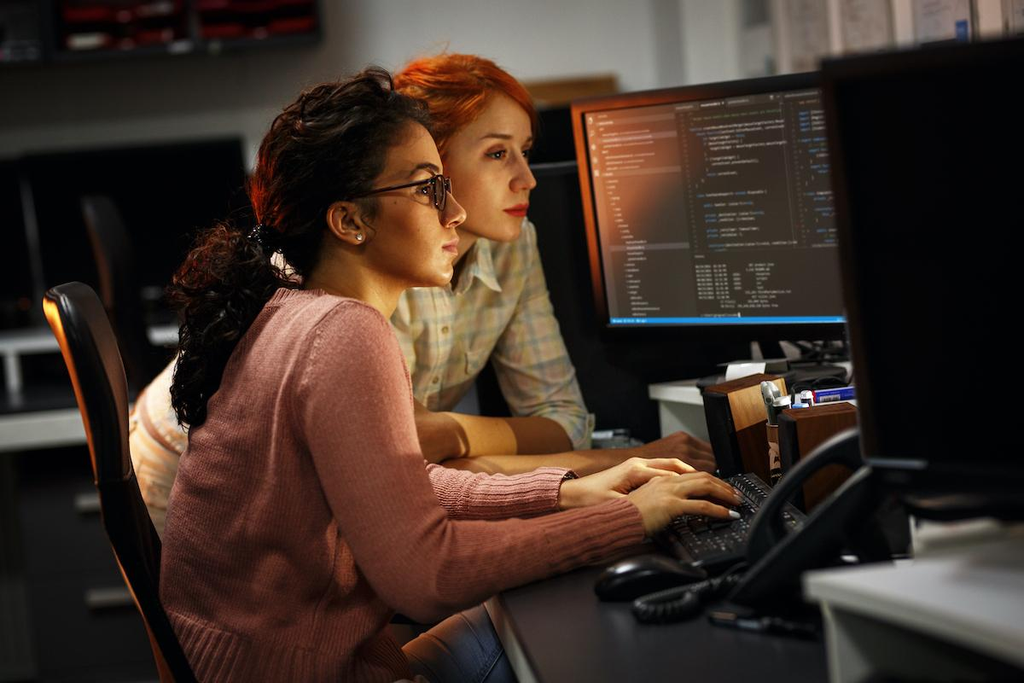
Employees may spend large portions of their day using:
- Video conferencing
- Workplace messaging
- Cloud storage
- Project management software
- Shared documents
- Company platforms
- Smartphones
This can make work efficient, but it can also increase screen exposure.
One message can lead to another. A worker may move from a video meeting to email and then to a phone notification.
Digital boundaries can help.
Workers may choose to:
- Turn off unnecessary alerts
- Close workplace applications after work
- Keep personal and professional accounts separate
- Take regular screen breaks
- Avoid checking work messages late at night
- Use a dedicated work device when possible
Digital literacy is also important. Employees should understand how workplace software handles information, what data is collected, and how company information should be protected.
Can Working From Home Change Personal Errands?
Yes.
One advantage of being at home is that certain personal tasks may become easier to manage.
A worker may be able to receive a package, schedule a repair visit, prepare food, or complete a short errand during a break.
However, convenience can become distraction if personal errands are allowed to occupy too much work time.
The best approach is to distinguish between quick tasks and major tasks.
A two-minute task may fit into a normal break.
A one-hour shopping trip is different and may need to be scheduled outside working hours or approved according to workplace policies.
Remote work creates flexibility, but employees still have professional responsibilities.
What Is the Difference Between Remote Work and Hybrid Work?
Remote work usually means working away from a traditional workplace, often from home.
Hybrid work combines remote work with in-person work.
For example, an employee might work from home Monday, Tuesday, and Friday while going to an office Wednesday and Thursday.
The daily routine can therefore change throughout the week.
An office day may involve:
- Earlier waking
- Commuting
- More face-to-face interaction
- Less time at home
A home day may involve:
- No commute
- More flexibility
- More home-based responsibilities
- Fewer spontaneous workplace interactions
This variation can be useful for some workers because it combines flexibility with in-person contact.
The ideal arrangement depends on the job and the person.
How Can a Person Create a Healthy Work-From-Home Routine?
A practical routine does not need to control every minute of the day.
Instead, it should provide a few reliable anchors.
Start with a consistent wake-up time.
Then create a simple morning sequence.
Choose a clear time to begin work.
Schedule lunch and short breaks.
Include movement during the day.
Set a realistic finishing time.
Finally, create a shutdown routine that marks the end of work.
For example:
Morning:
Wake up, get ready, eat breakfast, move around, and begin work.
Workday:
Complete important tasks, attend meetings, take breaks, and eat lunch away from the computer.
Evening:
Close work applications, leave the workspace, exercise or walk, eat dinner, and spend time on personal activities.
This structure is flexible enough to handle normal life while still providing predictable boundaries.
What Are the Most Common Work-From-Home Routine Mistakes?
Several habits can make remote work less comfortable and less organized.
Starting Work Immediately After Waking
Opening a laptop immediately after waking may save time but can make the morning feel rushed.
Working From Bed
Using the bed as a permanent workspace can make it harder to separate rest from work.
Skipping Lunch
Being busy does not mean the body does not need a break.
Never Leaving the House
Working, eating, relaxing, and sleeping in the same environment can make days feel repetitive.
Checking Work Messages at Night
This can extend the mental workday.
Doing Household Chores Constantly
Repeatedly switching between professional work and household tasks can reduce concentration.
Having No Closing Routine
Without an end-of-day signal, work can continue far beyond normal working hours.
The solution is not perfection. It is awareness.
A worker can identify the habit that causes the greatest problem and change that one first.
How Can Employers Help Employees Maintain Better Remote Routines?
Remote-work routines are influenced by employers as well as employees.
Organizations can support healthier schedules by establishing clear expectations.
Useful practices may include:
- Clear working hours
- Reasonable meeting schedules
- Respect for personal time
- Realistic deadlines
- Appropriate workload management
- Reliable technology
- Clear communication policies
- Opportunities for team connection
- Flexibility where the job allows it
An employee cannot always create a healthy routine alone.
For example, a worker may plan to finish at 5 p.m., but if regular meetings are scheduled at 6 p.m., maintaining that boundary becomes difficult.
Good remote-work practices therefore require cooperation between workers and organizations.
Can Working From Home Make a Person Feel More Independent?
It can.
Remote work may require employees to make more decisions about how they organize their time.
A worker may need to decide:
- Which task to complete first
- When to take a break
- How to manage distractions
- When to communicate with colleagues
- How to organize the workspace
- When to finish the workday
This independence can be valuable.
However, it can also feel difficult for someone who prefers a highly structured workplace.
A person who needs external structure may benefit from creating a personal schedule that provides some of the structure previously supplied by an office.
Does Working From Home Affect Mental Separation Between Work and Home?
It can.
This is one of the most important psychological changes associated with remote work.
When a person works in a separate building, leaving the building creates physical distance from work.
When the workplace is at home, that physical distance disappears.
This can make it harder to stop thinking about unfinished tasks.
A physical boundary can help.
Even a small workspace can become a temporary work zone.
At the end of the day, putting away the laptop and leaving that area can signal that work is finished.
Another useful method is to use a short post-work activity, such as walking, exercising, preparing dinner, or listening to music.
The activity creates a transition between professional and personal roles.
Can Working From Home Change a Person’s Long-Term Lifestyle?
It can, especially when remote work continues for months or years.
Small daily changes can become long-term habits.
A person who no longer commutes may develop different exercise patterns.
Someone who works from home may cook more frequently.
Another worker may spend less time interacting with colleagues in person.
People may also move closer to family, change housing preferences, or reconsider how much space they need for work.
However, not every change is caused solely by remote work.
Family circumstances, technology, employer policies, economic conditions, health, transportation, and personal preferences can all influence lifestyle decisions.
It is therefore better to view remote work as one factor that can shape daily life rather than the only cause.
What Should a Person Consider Before Changing Their Routine?
Before creating a new remote-work routine, it helps to consider the realities of the job.
Ask:
- What are my required working hours?
- Which meetings must I attend?
- When am I most productive?
- What distractions exist at home?
- Do I have a suitable workspace?
- What household responsibilities do I have?
- How much movement do I get?
- When do I want my workday to end?
- How will I stay socially connected?
- What happens if an unexpected responsibility appears?
These questions make the routine practical.
A schedule that looks perfect on paper may not work in real life.
A simple routine that fits actual responsibilities is usually easier to maintain.
A Practical Example of a Work-From-Home Routine
Consider a hypothetical U.S. employee whose workday begins at 8:30 a.m.
The person might wake at 7:00 a.m., eat breakfast, get dressed, and take a short walk.
At 8:30 a.m., work begins.
The morning is used for focused work and meetings.
Around midday, the worker takes a lunch break away from the computer.
The afternoon includes meetings, project work, and a short movement break.
At approximately 5:00 p.m., the worker reviews unfinished tasks and writes down the first priority for the following day.
The laptop is closed, work notifications are turned off, and the worker leaves the workspace.
The evening is then used for dinner, family time, exercise, hobbies, or relaxation.
This example is not a universal formula.
A parent, student, caregiver, freelancer, manager, or shift worker may need a completely different schedule.
The important principle is the separation of work periods from personal periods.
What Does a Flexible but Structured Routine Look Like?
A flexible routine has predictable anchors but allows room for unexpected events.
For example, a person may always:
Also Read:Can Lifestyle Tips Help People Who Work From Home? Benefits and Best Practices
- Wake around the same time
- Start work within a set window
- Eat lunch around midday
- Take several short breaks
- Finish work within a planned period
- Disconnect from work afterward
Also Read:Can N2H Lifestyle Tips Work If I Have a Long Commute? A Practical Guide
Within those boundaries, the person can adjust individual tasks.
This is often more realistic than scheduling every minute.
Life is unpredictable.
A delivery may arrive. A child may need help. A meeting may move. A personal appointment may appear.
A useful routine should bend without completely breaking.
Why Is Personalization Important in Remote Work?
A remote-work routine should match the individual.
There is no universal “perfect” schedule.
Someone who is naturally productive in the morning may want important tasks early.
Another person may perform better later in the day.
Someone with children may need several focused periods.
Someone living alone may need to make extra effort to maintain social contact.
Someone with a long history of commuting may want to use the saved time for exercise.
Someone who already exercises regularly may prefer to use the extra time for sleep.
The goal is not to imitate someone else’s routine.
The goal is to understand what makes your own day work better.
FAQs About Can Working From Home Change a Person’s Daily Routine?
1. Can working from home change a person’s morning habits?
Yes, remote work can reduce commuting time and allow more flexibility in the morning. Workers may use this time for sleep, breakfast, exercise, or personal tasks.
2. Can remote work change how people spend their evenings?
Yes, eliminating the commute can provide more evening time for family, hobbies, exercise, or relaxation. However, clear work boundaries are important to prevent work from extending into the evening.
3. Can working from home affect weekend routines?
Yes, flexible weekday schedules can change how people organize weekends. Some workers may have more time for personal activities because certain tasks are completed during the week.
4. Can remote work change a person’s daily energy levels?
It can, depending on sleep, movement, workload, and breaks during the day. A well-structured routine may help workers manage energy more consistently.
5. Can working from home change how people organize their personal time?
Yes, remote work can provide greater control over daily schedules and reduce travel time. This may allow workers to plan personal activities around their professional responsibilities more easily.
Conclusion
Working from home can change a person’s daily routine in significant ways.
The change begins with the workplace itself. When a person no longer needs to travel to an office, the structure of the day can change. Morning preparation may become shorter, commuting time may disappear, meals may happen at home, exercise may become more flexible, and personal responsibilities may be easier to manage.
At the same time, remote work introduces new challenges.
The home can contain distractions. Household responsibilities can compete with professional tasks. Social interaction may become less spontaneous. Most importantly, the lack of physical distance between home and work can make it difficult to know when the workday has truly ended.
The evidence on remote and hybrid work does not support a single conclusion that one arrangement is universally better for every worker. Experiences differ by occupation, employer, household, personality, and working environment.
The most useful approach is therefore to build a routine around real needs.
A worker can establish a consistent morning, create a suitable workspace, schedule meals and breaks, include movement, maintain social connections, and develop a clear end-of-day routine.
Working from home can provide greater control over time, but that control works best when it is combined with reasonable structure.
In the end, the goal is not to make every day identical. It is to create a daily rhythm that allows a person to work effectively while still leaving enough space for sleep, relationships, health, responsibilities, and life outside work.