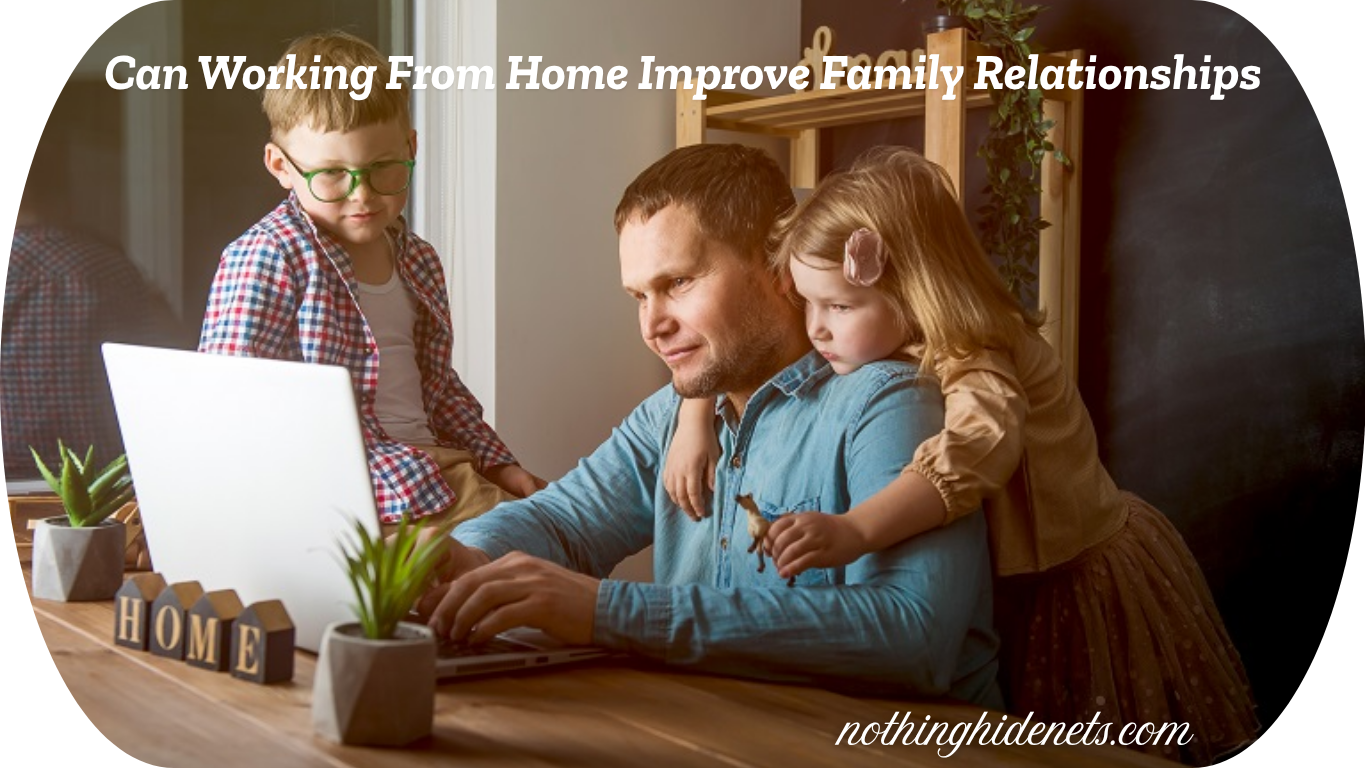
Can Working From Home Improve Family Relationships? A Complete Guide
Working from home has become an important part of modern work life in the United States. For many employees, it can mean less commuting, more control over the workday, and more opportunities to be physically close to family members. For others, it can make the boundary between work and personal life harder to maintain.
This raises an important question: Can working from home improve family relationships?
The short answer is that it can, but it does not automatically do so.
Working from home may give parents and couples more flexibility to spend time together, manage household responsibilities, attend children’s activities, and respond to unexpected family needs. At the same time, remote work can bring work meetings into the home, create interruptions, increase the amount of unpaid household work handled by one person, and make it harder to stop working at the end of the day.
Recent U.S. research shows why this topic needs a balanced answer. A June 2026 Pew Research Center survey of 2,242 U.S. working parents found that 71% said flexibility to work from home would be highly helpful. However, only 23% said they had a great deal or fair amount of flexibility to work from home. The same research found that parents who regularly work from home are not necessarily more likely to say balancing work and family is easy.
This suggests that the main value of remote work may not simply be having more hours at home. Its real value may come from having greater control over when and how those hours are used.
For families, that distinction matters.
What Does Working From Home Mean for Family Relationships?
Working from home, often called remote work or telework, means completing job duties from a home location rather than regularly traveling to an employer’s workplace.

The arrangement can look very different from one household to another.
One employee may work remotely every day from a separate home office. Another may work from home two or three days a week and go to an office on other days. A third person may have flexible hours and complete work at different times.
These differences can have a major effect on family life.
A remote employee might be able to take a child to school, prepare breakfast, attend a doctor’s appointment, or have dinner with the family. Someone with a fixed schedule and frequent meetings may have much less flexibility, even if that person works in the same house.
This is why physical presence should not be confused with availability.
A parent can be at home but unavailable because of a meeting or deadline. A spouse can be sitting in the next room while concentrating on an important project. A person can also finish work physically but continue thinking about work throughout the evening.
The quality of family time depends on more than where the employee works.
Also Read: Can Working From Home Change a Person’s Daily Routine? A Complete Guide
How Does Remote Work Create More Family Time?
Also Read: Can Lifestyle Changes Solve Problems Caused by a Difficult Remote Job?
One of the most obvious potential benefits of remote work is reduced commuting.
Commuting can consume a significant amount of time each week. When that travel is removed, an employee may have additional time for activities that support family life.
A parent might use the extra time to:
- Eat breakfast with their children
- Prepare children for school
- Have a conversation with a spouse
- Handle a school pickup
- Prepare dinner
- Help with homework
- Attend a school event
- Spend more time with an older relative
- Rest before the evening begins
These activities may seem ordinary, but ordinary interactions are an important part of family relationships.
Strong relationships are often built through repeated small moments rather than occasional major events.
A parent who regularly talks with a child after school may learn more about the child’s concerns. A couple who regularly eats dinner together may have more opportunities to communicate. A family that has less commuting pressure may have more energy for shared activities.
The important point is that saved commuting time only becomes family time if the household intentionally uses it that way.
If the employee simply works longer hours, the family may not experience much benefit.
Can Working From Home Help Parents Spend More Time With Their Children?
For some parents, it can.
Children’s schedules do not always fit neatly into traditional working hours. Schools, sports, medical appointments, performances, parent meetings, and unexpected childcare problems can happen during the workday.
A flexible remote arrangement can make some of these situations easier to manage.
For example, a parent may be able to attend a child’s school performance during the afternoon and complete certain work tasks later, assuming the employer allows that flexibility.
The Pew Research Center’s 2026 research found that 71% of working parents said the ability to work from home would be highly helpful. Yet only 23% reported having a great deal or fair amount of flexibility to work from home.
This difference between desired flexibility and actual flexibility is important.
It shows that many parents see remote work as a useful tool for managing family responsibilities, but access to that tool is not equal.
It is also important to understand that working from home is not the same as providing childcare.
A young child may need continuous attention and supervision. An employee cannot always safely or effectively work through a full day while simultaneously caring for a young child.
Remote work can support a childcare plan, but it should not automatically be treated as a replacement for childcare.
Can Working From Home Improve a Couple’s Relationship?
Working from home can change the daily experience of couples.
Partners may see each other more frequently, share meals, coordinate household responsibilities, and have more opportunities for conversation.
For couples with children, remote work may also make it easier to divide certain responsibilities.
For example, one partner might handle a morning school routine while the other starts work earlier. Later, they may switch responsibilities depending on meetings and deadlines.
This kind of flexibility can reduce pressure when it is shared fairly.
But spending more time together does not automatically improve a relationship.
Couples also need privacy, personal space, independent activities, and clear expectations.
Without boundaries, one partner may feel that the other is always available. A person working from home may also feel frustrated if household responsibilities are continually added to the workday.
The most useful approach is to discuss responsibilities rather than make assumptions.
Couples can talk about:
- Work schedules
- Meeting times
- Childcare
- School transportation
- Cooking
- Cleaning
- Shopping
- Personal time
- Family activities
- Quiet work periods
This type of communication can help prevent remote work from creating unnecessary conflict.
Can Working From Home Reduce Stress for Families?
It can reduce certain forms of stress, especially commuting stress.
A person who spends a long time driving or using public transportation may arrive home tired. Removing that commute can create more energy for family activities.
Remote work can also make some unexpected situations easier to manage.
If a child becomes sick, for example, an employee working remotely may have more options than an employee who is already an hour away from home.
But remote work can also create different types of stress.
A home may become a workplace, childcare space, school space, and family living area at the same time.
An employee may be interrupted during meetings. A child may need help while a parent is working. Household chores may become mixed with professional responsibilities.
Research published in the Journal of Marriage and Family using long-term Australian data found that working from home was associated with lower work-to-family conflict, but its effects on family-to-work conflict differed between mothers and fathers. This study involved Australian parents rather than U.S. families, so it provides useful context rather than a direct measurement of American households.
This illustrates an important point: remote work can reduce one kind of conflict while increasing another.
Why Being at Home Does Not Always Mean Being Available
One of the biggest misunderstandings about remote work is that a person who works from home has unlimited availability.
That is rarely true.
An employee may have a full calendar of meetings, deadlines, customer calls, or concentrated work.
Imagine a parent working from a home office. Their child sees them walk into the kitchen and assumes they are free. The parent may actually have five minutes before the next meeting.
Repeated situations like this can create frustration on both sides.
The child may feel ignored.
The parent may feel interrupted.
The solution is communication.
Families can establish simple signals for availability. A closed door, calendar, message, or agreed routine can tell children when a parent is working and when the parent can talk.
These systems work best when they are appropriate for the child’s age.
Young children may need a very simple explanation. Older children and teenagers can usually understand more detailed schedules.
How Working From Home Can Affect Parent-Child Communication
Remote work can create more opportunities for informal conversations.
A child may talk to a parent while the parent prepares lunch. A parent may hear about school during a short afternoon break. A teenager may be more willing to talk when the parent is nearby but not rushing out the door.
These small interactions can help parents stay aware of their children’s experiences.
However, the benefits depend on attention.
If the parent is constantly checking email, answering messages, or thinking about work, physical proximity may not produce meaningful communication.
A useful family habit is to create periods when work devices are put aside.
Dinner is one possible example.
Another is a short conversation at the end of the school day.
The goal is not to spend every hour together. The goal is to create predictable moments when family members know they have each other’s attention.
Does Remote Work Make Household Responsibilities More Equal?
Not necessarily.
This is one of the most important issues families should consider.
If one partner works from home, other household members may assume that person can handle more chores because they are already at home.
That assumption can become unfair.
A remote employee may still work a full day. Being physically close to the laundry room does not mean that person has extra time to do laundry.
The same problem can occur with childcare.
A partner working remotely may gradually become the default person for:
- School calls
- Doctor appointments
- Deliveries
- Sick-child care
- Meal preparation
- Household repairs
- Cleaning
- Shopping
Over time, this can create an invisible workload.
Pew Research Center’s 2026 study found that in different-sex couples where both parents work full time, 38% said the mother does more household chores, 22% said the father does more, and 39% said chores are shared about equally. The same research found differences in how mothers and fathers viewed the division of parenting tasks and household work.
The lesson is straightforward: remote work does not automatically create equal household responsibilities.
Families should decide responsibilities deliberately.
How Can Couples Divide Household Work Fairly When One Person Works Remotely?
A useful approach is to focus on the total workload rather than simply counting who performs individual chores.
For example, one partner might work from home and handle school pickup. The other partner might commute but cook dinner. Both may have different responsibilities that take similar amounts of time and energy.
Couples can list recurring tasks and discuss who handles them.
The list might include:
- Childcare
- School transportation
- Cooking
- Cleaning
- Laundry
- Shopping
- Bills
- Appointments
- Pet care
- Home maintenance
- Family scheduling
This can reveal responsibilities that are easy to overlook.
It also helps couples discuss the mental load of remembering tasks, not just the physical act of completing them.
A fair arrangement does not necessarily mean every task is split 50/50.
It means the overall responsibilities are understood and considered reasonable by the people involved.
Can Working From Home Help With Unexpected Family Problems?
Flexibility may be particularly valuable when something unexpected happens.
Children get sick. Schools close. Childcare arrangements change. Relatives may need assistance. Transportation problems can appear without warning.
A remote or hybrid employee may have more options for responding to these situations.
Pew’s 2026 research found that 70% of working parents said the amount of flexibility each parent has at work is a major factor in deciding who takes time off when a child is sick or childcare unexpectedly falls through.
This finding highlights something important about family life: flexibility is valuable not only during normal days but also when normal plans stop working.
However, flexibility can be limited by employer expectations.
A remote employee should not assume that being home means they can ignore work obligations whenever a family issue occurs.
A clear conversation with the employer may be necessary.
What Are the Biggest Risks of Working From Home for Family Relationships?
Remote work can create several risks if the arrangement is poorly managed.
Work Can Enter Every Part of the Day
When the workplace is in the home, there may be no physical signal that work has ended.
An employee might answer one more email after dinner, check a work message before bed, or return to the laptop late at night.
Over time, this can reduce family interaction.
Family Members May Interrupt Work Too Often
The opposite problem can also happen.
If family members assume the employee is always available, the worker may have difficulty completing tasks.
Frequent interruptions can create frustration and stress.
One Partner May Take on Too Much
The partner who works from home may unintentionally become responsible for more household duties.
This can lead to resentment.
Personal Space May Become Limited
Not every home has a separate office.
Some people work at kitchen tables, bedrooms, or shared living spaces.
When work equipment remains visible throughout the day, it can make the entire home feel like a workplace.
Social Interaction May Decrease
Some remote employees miss informal conversations with coworkers.
If family members become the main source of social interaction, this can put pressure on relationships.
A healthy remote-work arrangement needs both family connection and independent social connections.
How Can Families Set Better Work-From-Home Boundaries?
Boundaries help turn remote work into a predictable routine.
A simple approach can include:
- Set a regular starting time.
- Create a dedicated workspace if possible.
- Tell family members when important meetings are scheduled.
- Take breaks away from the computer.
- Avoid unnecessary work during meals.
- Set a reasonable end-of-work time.
- Turn off nonessential work notifications afterward.
- Leave the workspace at the end of the day.
- Protect family activities from unnecessary work interruptions.
- Keep some personal time for every household member.
These steps do not require an expensive home office.
A boundary can be as simple as closing a laptop and putting it away.
The important thing is consistency.
Can a Separate Home Office Improve Family Life?
A dedicated workspace can help create physical separation between work and family life.
When possible, an employee can close a door at the end of the workday. This creates a clear signal that professional time has ended.
However, not every family has an extra room.
A small desk in a bedroom, dining area, or corner of a living room can still work.
The key is creating a repeatable transition.
For example, an employee might finish the final task, close the laptop, organize the next day’s schedule, and leave the workspace.
This routine can help the mind move from work mode to family mode.
The same principle applies even when the workspace cannot physically be closed off.
Can Hybrid Work Be Helpful for Family Relationships?
Hybrid work may offer a middle ground for some employees.
Instead of working entirely from home, an employee might spend part of the week at home and part in an office.
This can provide several possible benefits.
Remote days may reduce commuting and make family logistics easier.
Office days may provide clearer professional separation and more opportunities for face-to-face interaction with coworkers.
The ideal schedule varies by household.
A parent with a long commute may value remote days strongly. Another employee may prefer more office time because their home is crowded or lacks a suitable workspace.
The important factor is whether the schedule supports the family’s actual needs.
Current Pew research indicates that remote work remains relevant but is not available equally. In 2026, 65% of working parents said their job could not be done from home, while 35% said their job could be done from home for the most part. Among the latter group, 17% worked from home all or most of the time and 10% did so some of the time.
This means remote work should be discussed as one possible work arrangement rather than a universal option.
How Does Childcare Affect the Benefits of Working From Home?
Childcare is central to the remote-work discussion.
A parent may save commuting time but still need reliable childcare.
Young children cannot always understand that a parent is physically present but professionally unavailable.
Pew Research Center’s 2026 research found that cost was the biggest challenge working parents reported when finding childcare. The study also found that childcare access and workplace benefits differed substantially by family income.
This matters because the benefits of remote work can depend on resources outside the job itself.
A family with reliable childcare and a flexible employer may use remote work to create a smoother routine.
A family without childcare may find that remote work simply creates a situation where one person is expected to perform two full-time roles.
That can increase stress rather than improve relationships.
Can Working From Home Improve Family Routines?
It can help families create more consistent routines when the work schedule is predictable.
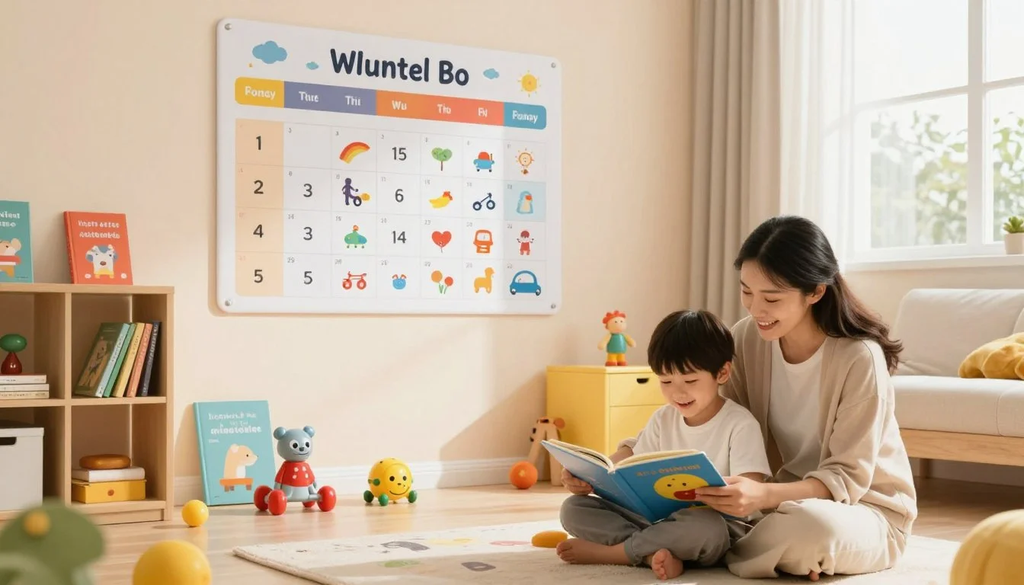
For example, a family might establish:
Morning: breakfast and school preparation.
Workday: focused work with agreed availability.
Afternoon: school pickup or family responsibilities according to the planned schedule.
Evening: dinner and family activities.
Night: work devices are put away.
The benefit comes from predictability.
Families generally do not need complicated routines. They need routines that can actually be followed.
A simple schedule that works most days is usually more useful than an ideal schedule that collapses under real-life pressure.
Why Flexibility May Matter More Than Simply Working at Home
A key insight from current research is that location and flexibility are not the same thing.
Someone may work from home but have no control over their schedule.
Another employee may work in a hybrid role and have significant flexibility.
For family relationships, flexibility may sometimes be more important than the physical location of work.
A parent who can move an hour of work to another part of the day may be able to attend a child’s event.
A worker who must remain online during fixed hours may not have that option even while working remotely.
This is why discussions about work-from-home benefits should consider:
- Schedule control
- Meeting requirements
- Employer expectations
- Commute time
- Childcare
- Family responsibilities
- Workload
- Household space
Remote work is only one part of a larger work-life system.
Can Working From Home Strengthen Parent-Child Trust?
It can create more opportunities for trust-building, especially when parents are consistently available for important conversations.
Children often remember repeated everyday experiences.
A parent listening after school, attending an event, helping with a project, or simply being available for a short conversation can strengthen a sense of connection.
But children also need parents who are mentally present.
A parent who is constantly distracted by work may be physically close without creating meaningful connection.
The lesson is simple: remote work creates opportunities, but attention turns opportunities into relationships.
How Can Parents Protect Quality Family Time?
One practical strategy is to schedule family time in the same way they schedule work.
This may sound formal, but it can be useful.
A family might protect dinner every evening, a weekend activity, or a short daily conversation.
Parents can also create device-free periods.
The goal is not to eliminate technology.
The goal is to prevent work notifications from controlling every moment.
Another useful strategy is to create a transition between work and family time.
That transition might involve:
- Closing the laptop
- Turning off work notifications
- Changing clothes
- Taking a short walk
- Making a cup of tea
- Spending five minutes organizing tomorrow’s tasks
These actions tell the brain that the workday is ending.
What Should Couples Discuss Before Switching to Remote Work?
Couples can avoid many problems by discussing expectations before the new work arrangement begins.
Useful questions include:
Who will handle school transportation?
Who will respond when a child becomes sick?
Which hours are protected for focused work?
When can household chores be done?
How will meals be handled?
Will either person need a quiet room for meetings?
When will family time begin?
When will personal time begin?
What happens if work becomes unusually busy?
These questions may seem ordinary, but they address the exact areas where remote work can create conflict.
The goal is not to create a rigid contract.
It is to make assumptions visible.
Can Working From Home Improve Family Relationships Without Making Everyone Feel Overcrowded?
Yes, but personal space matters.
Being together more often can be positive, but adults and children still need time alone.
A healthy household can include both shared and separate activities.
For example, one partner may exercise while another reads. A teenager may spend time in their room. A parent may work in a private space. The family may then come together for dinner.
This balance can prevent the expectation that everyone should be together simply because everyone is home.
Remote work should create flexibility, not eliminate independence.
How Can Families Tell Whether Working From Home Is Actually Helping?
Families can look at their experience rather than relying on general claims.
After several weeks, they can ask:
Are we spending more meaningful time together?
Has commuting stress decreased?
Are work hours becoming longer?
Are household chores fairly distributed?
Do children understand when parents are working?
Does each partner have personal time?
Are family meals happening more often?
Is anyone feeling isolated?
Are arguments increasing or decreasing?
Are unexpected family problems easier to manage?
These questions can reveal whether remote work is actually producing the intended benefits.
A family may discover that remote work helps with school transportation but creates too many evening work interruptions.
Another family may find that remote work significantly improves mornings and evenings.
The right arrangement depends on the household.
How Should People Evaluate Online Claims About Working From Home?
Online content about remote work can sometimes make broad promises.
One article may suggest that working from home automatically improves family life. Another may focus entirely on isolation or work stress.
A better approach is to look at the evidence behind the claim.
Ask:
Who conducted the research?
How many people were studied?
Were they U.S. workers?
When was the research conducted?
Did the study examine parents specifically?
Was the research observational or experimental?
Does the research show an association or prove cause and effect?
These questions are especially useful when researching search terms such as seekde and related topics.
Search results can introduce people to useful information, but readers should still evaluate the quality and context of individual claims.
What Are the Most Important Factors That Determine Whether Remote Work Helps a Family?
Several factors appear especially important.
Schedule Flexibility
The ability to adjust work hours can make remote work more useful for family responsibilities.
Workload
A remote job with excessive demands may leave little time for family regardless of location.
Commute Time
The longer the previous commute, the more time remote work may potentially return to the household.
Childcare
Reliable childcare can make remote work much easier to manage.
Household Responsibilities
Clear and fair responsibility sharing can reduce conflict.
Workspace
A separate or clearly defined workspace can help maintain boundaries.
Communication
Families need to communicate about schedules, availability, and expectations.
Personal Space
Healthy relationships require both connection and independence.
Employer Policies
Remote work benefits depend heavily on what the employer actually permits.
Looking at these factors gives a more realistic picture than simply asking whether working from home is good or bad.
A Practical Work-From-Home Plan for Families
Families that want to make remote work more relationship-friendly can start with a simple plan.
First, establish the workday.
Decide when work begins and when it normally ends.
Second, establish availability.
Make it clear when the employee can respond to family needs and when uninterrupted work is necessary.
Also Read: Can Working From Home Affect a Person’s Social Life? A Complete Guide
Third, divide responsibilities.
Also Read: Can Lifestyle Tips Help People Who Work From Home? Benefits and Best Practices
Do not assume that the person working from home should automatically handle more chores.
Fourth, protect family time.
Choose a few activities that should not normally be interrupted by work.
Fifth, create a shutdown routine.
End the workday deliberately.
Sixth, review the arrangement.
After a few weeks, ask what is working and what is creating stress.
This approach treats remote work as an arrangement that can be adjusted rather than a permanent rule.
Conclusion: Can Working From Home Improve Family Relationships?
Working from home can improve family relationships, but the outcome depends on how the arrangement is designed and managed.
The strongest potential benefit is flexibility. Remote work may reduce commuting, create more opportunities for family interaction, make certain childcare responsibilities easier to manage, and allow parents to attend some activities that might otherwise conflict with work.
At the same time, remote work can blur the line between professional and personal life. Current U.S. research shows that many working parents struggle to keep work and family responsibilities separate, even when remote work is available.
The most important distinction is between being home and being available.
A person can work from home without spending meaningful time with family. Likewise, a person can use a flexible remote schedule to create regular opportunities for communication, shared meals, childcare, and support.
Remote work should therefore be viewed as a tool rather than a guaranteed solution.
When employees have reasonable workloads, families establish clear boundaries, household responsibilities are shared fairly, and family time receives intentional attention, working from home can support healthier family routines.
For U.S. families considering remote or hybrid work, the best approach is to look at their actual circumstances. Commute time, childcare, job demands, household space, income, employer policies, and personal preferences all matter.
Ultimately, working from home may create more opportunities for family connection, but relationships become stronger through communication, attention, fairness, and consistent time together. The location of work can make those things easier or harder, but it does not replace the effort required to build a healthy family relationship.
Frequently Asked Questions
Can working from home affect a child’s understanding of work?
Yes. Children who regularly see a parent working from home may develop a clearer understanding that professional work can happen outside a traditional office. Parents can help by explaining that being at home does not always mean being available. Simple household rules can help children understand when a parent is working and when family interaction is welcome.
Does working from home change family mealtimes?
It can. Remote workers may have more opportunities to eat breakfast or lunch with family members because they do not need to travel to an office. However, meetings and workload can still interfere. Families that want shared meals should treat them as planned family activities rather than assuming they will happen automatically.
Can remote work affect how teenagers communicate with parents?
It can create additional opportunities for casual communication. A teenager may encounter a parent during the day and start a short conversation that would not happen if the parent were away. However, teenagers also need privacy and independence. Parents should avoid interpreting physical proximity as a reason to demand constant interaction.
Can working from home change how families use their living space?
Yes. A dining room, bedroom, or other shared area may become a temporary office. This can affect how the household uses that space. Families without a separate office may benefit from creating a workspace that can be packed away at the end of the workday so that the area can return to its normal family purpose.
Can remote work affect family relationships even when everyone follows a schedule?
Yes. A schedule can improve organization, but it cannot solve every relationship issue. Communication style, stress, financial concerns, unequal responsibilities, personality differences, and the quality of the relationship itself can also affect family life. Remote work may change the environment in which these issues occur, but it is not a substitute for healthy communication and mutual respect.