Can Lifestyle Tips Help People Who Work From Home? Benefits and Best Practices
Working from home has become a normal part of modern work for many people in the United States. Remote and hybrid jobs can offer more flexibility, less commuting, and greater control over the workday. At the same time, working from home can create challenges that are easy to overlook. People may spend too many hours sitting, work longer than planned, skip breaks, or find it difficult to separate their job from personal life.
This is where practical lifestyle tips can make a difference. Simple habits related to daily routines, movement, sleep, food, workspace setup, communication, and time management can help people create a healthier and more organized work-from-home experience.
So, can lifestyle tips help people who work from home? Yes. Lifestyle habits cannot solve every work-related problem, but they can support better routines and make remote work easier to manage.
The key is not to create a perfect daily schedule. Instead, the goal is to build realistic habits that fit the person’s job, home environment, responsibilities, and personal needs.
What Does Working From Home Mean?
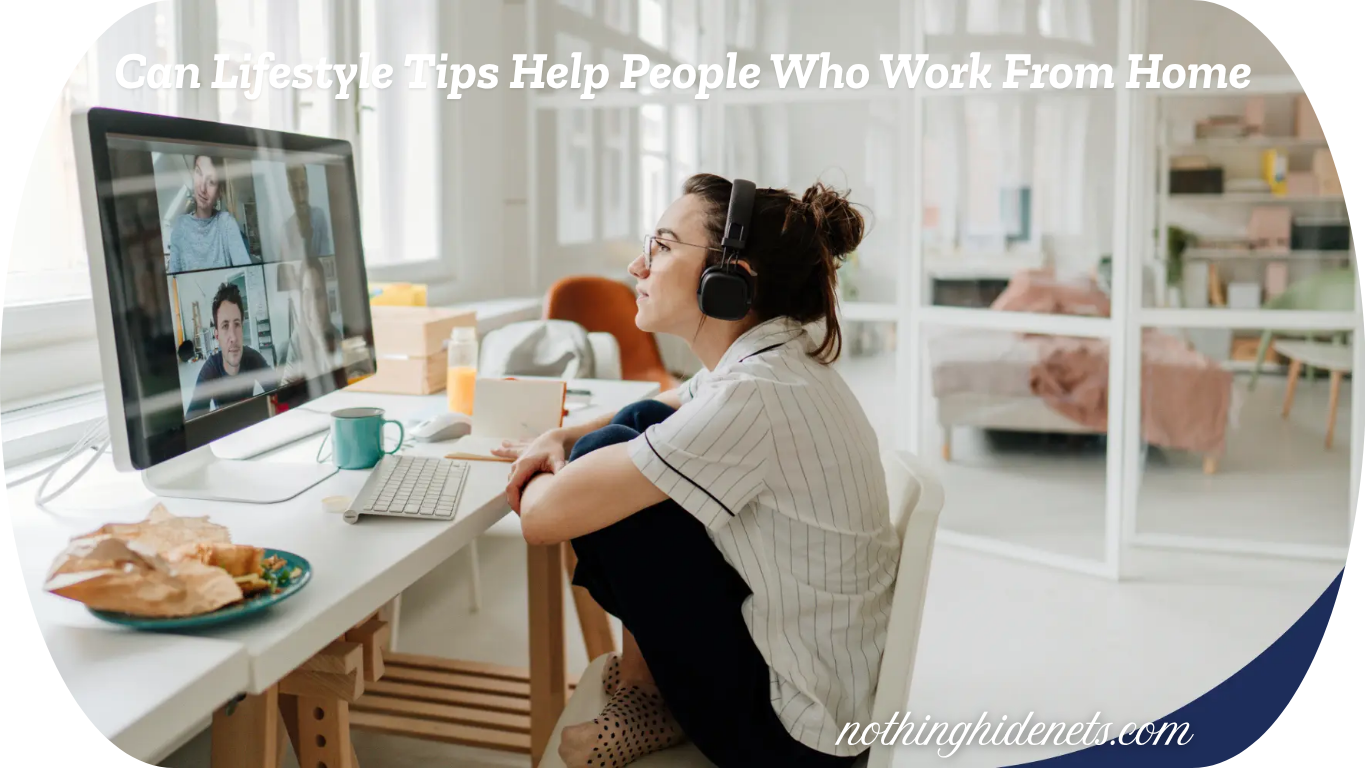
Working from home means performing job duties from a home environment instead of regularly working at an employer’s physical office. A person may work entirely remotely or divide their time between home and an office under a hybrid work arrangement.
Remote workers can have very different schedules. Some work standard daytime hours, while others have flexible schedules, shifts, or meetings across different time zones.
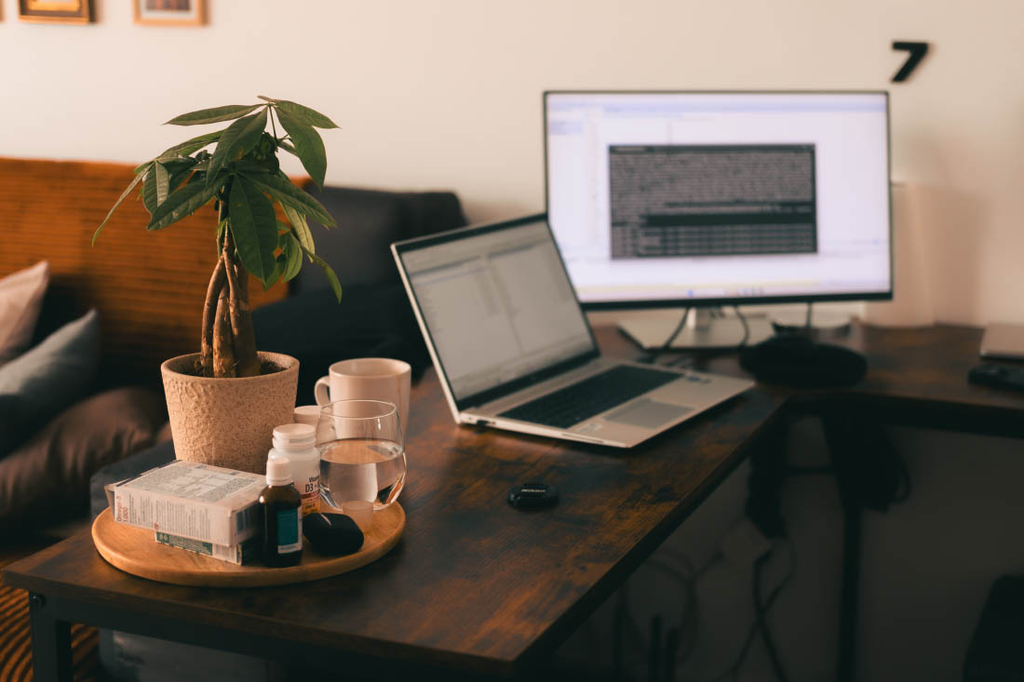
The work-from-home environment can include a dedicated home office, a bedroom desk, a kitchen table, or another suitable space. The setup often depends on the size of the home and the person’s job.
Jobs commonly performed remotely can include technology, customer support, writing, accounting, consulting, marketing, design, administration, education, and other knowledge-based work.
Because the home becomes part of the work environment, daily lifestyle habits can have a direct effect on how a person experiences the workday.
Can Lifestyle Tips Help People Who Work From Home?
Yes, lifestyle tips can help people who work from home by supporting better routines, physical movement, focus, rest, and work-life boundaries.
A useful lifestyle approach usually includes several basic areas:
- Creating a consistent work routine
- Taking regular movement breaks
- Setting up a comfortable workspace
- Protecting sleep
- Eating regular and balanced meals
- Managing notifications and distractions
- Staying connected with coworkers
- Creating boundaries between work and personal time
- Making time for hobbies and activities outside work
Also Read: Can N2H Lifestyle Tips Work If I Have a Long Commute? A Practical Guide
The important point is that lifestyle tips are not a replacement for reasonable workloads, fair workplace policies, or professional medical care when needed.
Also Read: What Is the Easiest N2H Lifestyle Habit to Start With?
For example, a person who works 12-hour days because of an excessive workload may not solve the problem simply by changing their morning routine. Personal habits can support a healthier workday, but workplace conditions also matter.
Why Is a Daily Routine Important for Remote Workers?
A daily routine can provide structure when there is no physical commute or office schedule separating work from home life.
Without a clear routine, it can be easy to start working immediately after waking up, delay meals, skip breaks, or continue working late into the evening.
A simple routine can create useful transitions.
For example, a remote worker might:
- Wake up at a consistent time.
- Get dressed before starting work.
- Eat breakfast or have a planned morning meal.
- Take a short walk or do light movement.
- Begin work at a set time.
- Take planned breaks.
- Finish work at a reasonable time.
- Leave the workspace and begin personal activities.
The routine does not have to be complicated.
One of the most useful ideas is to create a “start of work” signal and an “end of work” signal. For some people, the morning signal may be a short walk. The evening signal might be closing the laptop and leaving the work area.
These small actions can make the day feel more organized.
How Can Movement Help People Who Work From Home?
Movement is especially important for people who spend much of their workday sitting at a computer.
A person does not need an intense workout every few hours. Small amounts of movement throughout the day can be easier to maintain.
Simple options include:
- Walking around the house
- Stretching during short breaks
- Standing while making a phone call
- Walking outside during lunch
- Using stairs when practical
- Performing light exercises during a break
- Changing sitting and standing positions
A useful strategy is to avoid treating movement as something that only happens during a formal workout.
For example, someone who sits for several hours but exercises for 30 minutes afterward still spends a large part of the day inactive. Adding short movement opportunities throughout the workday can make the overall routine more balanced.
People with health conditions, injuries, or physical limitations should choose activities that are appropriate for them and seek professional advice when necessary.
How Can a Home Office Setup Support Better Work Habits?
A comfortable workspace can make remote work easier to manage.
The ideal setup will differ from person to person, but basic principles can help.
A work area should provide enough space for the computer, keyboard, mouse, documents, and other essential items. The chair and desk should allow a comfortable working position.
Screen placement also matters. A monitor that is positioned appropriately can help reduce unnecessary neck movement. Lighting should be comfortable and should not create distracting glare on the screen.
Remote workers can also consider:
- A supportive chair
- A desk at a comfortable height
- An external keyboard or mouse when useful
- Proper lighting
- A monitor positioned at a comfortable viewing level
- A quiet area for meetings
- Headphones when appropriate
- A stable internet connection
Not everyone needs an expensive home office.
A practical setup that supports comfort and concentration may be more useful than buying many specialized products.
People should also remember that comfort can change during the day. Adjusting posture and changing position can be more helpful than trying to maintain one rigid position for hours.
How Can Remote Workers Create Better Work-Life Boundaries?
One of the biggest challenges of working from home is that the workplace and living space can be the same location.
A person may technically finish work but still see the laptop sitting on the table. This can make it tempting to check one more email or respond to another message.
Clear boundaries can help.
A remote worker can establish a specific end-of-day routine, such as:
- Saving unfinished work for the next workday
- Closing work applications
- Turning off unnecessary work notifications
- Putting the laptop away
- Leaving the home office
- Taking a short walk
- Changing clothes
- Starting a personal activity
For people who have a separate office, simply closing the door can create a useful physical boundary.
For people who work in a shared room, putting work equipment away at the end of the day can serve a similar purpose.
Managers and coworkers can also influence boundaries. When possible, teams can establish reasonable expectations about response times, meeting schedules, and after-hours communication.
How Does Sleep Affect Working From Home?
Sleep plays an important role in daily energy, concentration, mood, and overall functioning.
Working from home can make sleep routines easier for some people because there is no commute. However, the flexibility can also encourage late-night work or irregular schedules.
A useful approach is to maintain a relatively consistent sleep and wake schedule.
Remote workers can also create a better evening transition by reducing unnecessary work activity near bedtime. Keeping the bedroom primarily associated with rest can also be helpful.
Another important issue is the use of work devices late at night. Constantly checking work messages can make it harder to mentally disconnect.
A person who regularly experiences serious sleep problems should not assume that lifestyle changes are always enough. Persistent sleep difficulties can have many causes and may require professional evaluation.
What Should People Eat and Drink During a Work-From-Home Day?
Food choices can become less structured when a person works near their kitchen.
Some people may snack throughout the day because food is always nearby. Others may become so focused on work that they forget to eat until they are very hungry.
A simple meal structure can help.
Remote workers might plan regular meals and keep convenient foods available, such as fruits, vegetables, whole grains, yogurt, nuts, beans, eggs, or other foods that fit their dietary needs.
Drinking enough fluids is also part of a practical workday routine. Keeping water nearby can make it easier to remember to drink.
Caffeine deserves some attention as well. Coffee and other caffeinated drinks can be part of many people’s routines, but consuming large amounts or having caffeine late in the day may affect some people’s sleep.
The goal is not to follow a strict “remote worker diet.” A sustainable approach is usually based on regular meals, reasonable portions, variety, and individual nutritional needs.
How Can People Stay Focused While Working From Home?
Home environments can contain many distractions.
Laundry, household chores, pets, family members, phones, television, social media, and personal notifications can interrupt concentration.
A useful strategy is to separate focused work from less demanding tasks.
For example, a worker might reserve the first part of the morning for important tasks that require concentration. Emails and routine administrative work can be handled during designated periods.
Other strategies include:
- Turning off nonessential notifications
- Keeping the phone away during focused work
- Using a task list
- Working in short focused periods
- Keeping the desk reasonably organized
- Communicating availability to household members
- Limiting unnecessary multitasking
Multitasking can feel productive, but frequently switching between tasks can make work more difficult.
A simple priority list can help a person identify what actually needs to be completed today instead of trying to handle everything at once.
Can Breaks Improve the Work-From-Home Experience?
Breaks are an important part of a sustainable work routine.
When there is no physical office environment, some remote workers may remain at their desks for long periods without realizing how much time has passed.
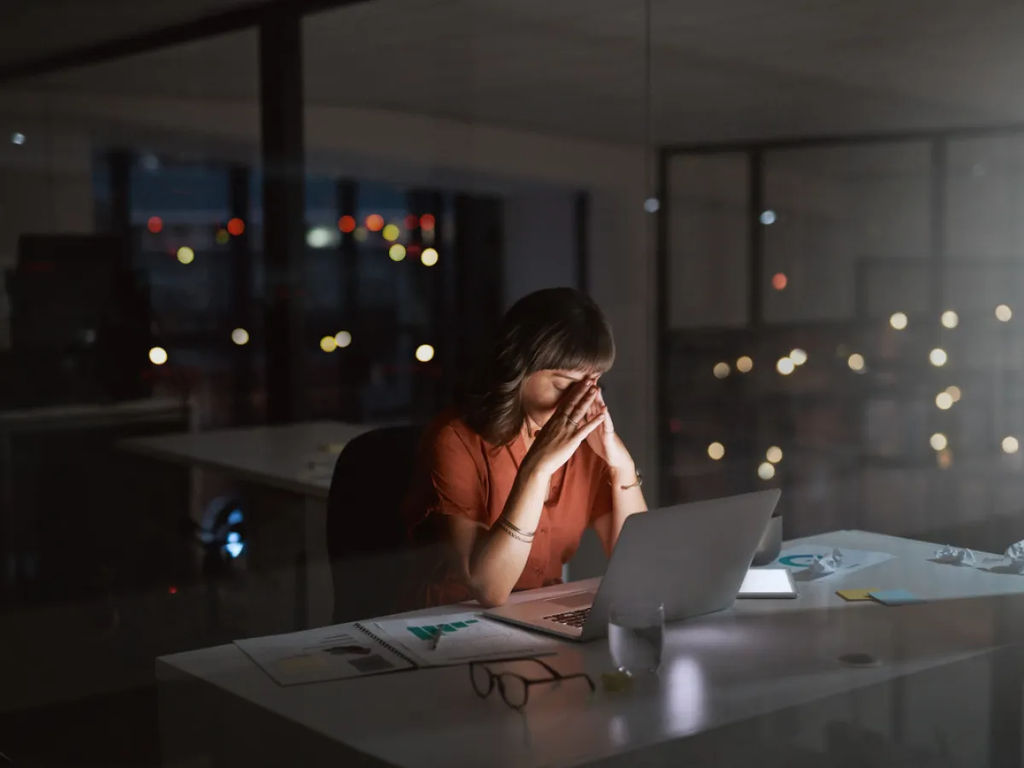
Short breaks can provide an opportunity to stand, walk, stretch, drink water, or simply look away from the screen.
A lunch break can also create a stronger separation between work and personal time.
The most useful break schedule depends on the job. Someone who handles customer calls may have fewer opportunities for spontaneous breaks than someone with a flexible project schedule.
Instead of searching for one perfect break system, workers can look for practical opportunities to pause without interfering with important job responsibilities.
How Can Remote Workers Protect Their Mental Well-Being?
Working from home can be comfortable, but it can also feel isolating.
A person may spend most of the day without having casual conversations with coworkers or leaving the house. Over time, this can make some people feel disconnected.
Simple social habits may help.
Remote workers can schedule video calls with coworkers when appropriate, communicate with teammates, participate in online team discussions, or arrange in-person social activities outside working hours.
It is also useful to maintain interests that have nothing to do with work.
Reading, cooking, exercising, spending time with friends, walking outdoors, playing music, gardening, or participating in community activities can provide a change from the work environment.
Mental well-being is influenced by many factors, including workload, relationships, finances, sleep, physical health, and personal circumstances. Lifestyle habits can support well-being, but they cannot replace professional help when someone is experiencing persistent or serious mental health concerns.
How Can Remote Workers Manage Meetings and Digital Distractions?
Online meetings can take up a large part of a remote worker’s day.
A calendar filled with back-to-back video calls can leave little time for focused work, meals, or breaks.
When possible, workers and teams can make meetings more efficient by using clear agendas and inviting only people who need to participate.
Workers can also protect blocks of uninterrupted time when their role allows it.
Digital distractions deserve similar attention.
Email, workplace chat, social media, news alerts, and phone notifications can interrupt concentration repeatedly. Turning off nonessential alerts can reduce these interruptions.
This does not mean avoiding communication. It means deciding which messages need an immediate response and which can wait.
For remote employees, communication expectations should also be clear. A workplace should not assume that every message requires an instant reply simply because the employee is working from home.
What Is a Good Work-From-Home Morning Routine?
A good morning routine does not need to be long or complicated.
For many people, a useful routine may include waking up at a consistent time, getting ready for the day, eating a meal, drinking water, moving for a few minutes, and reviewing the day’s priorities.
Some people may benefit from taking a short outdoor walk before starting work. This can create a clear transition between personal time and work time.
Others may prefer a quiet morning with reading, planning, or another personal activity.
The most effective routine is usually one that a person can repeat without creating unnecessary stress.
A remote worker does not need to copy another person’s “perfect morning routine.” Different jobs, households, schedules, and responsibilities require different approaches.
How Can People Balance Household Responsibilities With Remote Work?
Working from home does not mean a person has unlimited time for household tasks.
Laundry, cleaning, cooking, childcare, repairs, and other responsibilities can easily interrupt work.
Setting boundaries can help.
For example, a person may decide that household chores will be handled before work, during a scheduled lunch break, or after the workday rather than continuously throughout the day.
People who live with family members or roommates can also communicate their working hours and availability.
A closed door, headphones, a calendar status, or another agreed signal can communicate that the person should not be interrupted except when necessary.
Parents and caregivers may have additional challenges. In those situations, realistic planning is more useful than expecting an uninterrupted workday.
Employers also have a role in creating reasonable expectations around schedules and availability.
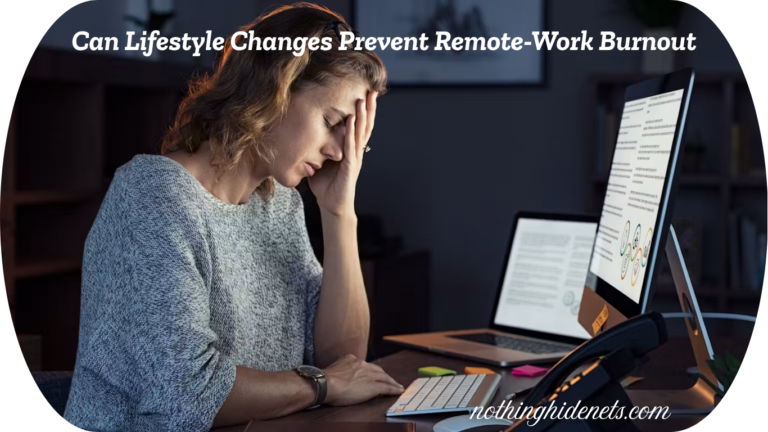
How Can Lifestyle Tips Help Prevent Work-From-Home Burnout?
Burnout is not simply the result of having a messy desk or forgetting to exercise. It can be connected to prolonged work stress, excessive workload, insufficient recovery, lack of control, or other workplace and personal factors.
Lifestyle habits can support recovery, but they should not be used to place all responsibility on the employee.
A sustainable remote-work routine can include clear working hours, regular breaks, adequate rest, social connection, physical activity, and activities outside work.
It is also important to recognize warning signs that should not be ignored.
Someone who feels persistently exhausted, disconnected, overwhelmed, or unable to recover from work may need to examine the workload and workplace situation rather than simply adding more productivity habits.
In some cases, speaking with a healthcare professional or mental health professional may be appropriate.
How Can People Build a Sustainable Work-From-Home Lifestyle?
The best work-from-home lifestyle is usually not the most complicated one. It is the one that can be maintained over time.
A practical system might include five basic areas:
- Work structure: Set clear start and finish times when possible.
- Physical movement: Avoid staying in one position for the entire day.
- Recovery: Protect sleep, meals, breaks, and personal time.
- Environment: Create a workspace that supports comfort and concentration.
- Connection: Maintain healthy communication with coworkers, friends, and family.
Workers can start with one or two changes instead of trying to change everything at once.
For example, someone who currently works from the couch could first create a consistent workspace. After that habit becomes normal, they might add short walking breaks.
This gradual approach can make lifestyle changes feel realistic rather than overwhelming.
What Are the Most Practical Lifestyle Tips for People Who Work From Home?
For someone who wants a simple starting point, the following habits can be useful:
- Begin work at a consistent time when possible.
- Create a dedicated work area.
- Take regular movement breaks.
- Avoid working through every meal.
- Keep water available.
- Limit unnecessary digital notifications.
- Set clear work and personal boundaries.
- Protect a regular sleep schedule.
- Leave the workspace at the end of the workday.
- Make time for social activities.
- Spend some time outside when possible.
- Keep personal hobbies separate from work.
- Review priorities instead of trying to do everything at once.
- Adjust the routine when work or personal circumstances change.
These tips are intentionally simple. A lifestyle plan does not need to contain dozens of rules to be effective.
What Should Remote Workers Avoid When Creating Lifestyle Habits?
Also Read:Can N2H Lifestyle Tips Work With a Nine-to-Five Job? A Practical Guide
It is easy to turn lifestyle advice into another source of pressure.
Also Read:Can the N2H Lifestyle Tips Work for People With Busy Schedules?
Remote workers should be careful about unrealistic routines that require waking up extremely early, exercising for hours, preparing complicated meals, or following rigid productivity systems.
There is also no universal “perfect” work-from-home schedule.
One person may work best early in the morning. Another may have a schedule that starts later. Some jobs require fixed hours, while others offer more flexibility.
People should also avoid assuming that productivity is the only measure of a healthy workday.
Rest, relationships, physical movement, personal interests, and time away from work are valuable too.
The purpose of lifestyle tips should be to make daily life more manageable, not to turn every hour into a productivity project.
Frequently Asked Questions About Lifestyle Tips for People Who Work From Home
1. Can working from home affect a person’s social life?
Yes. Working remotely can reduce casual face-to-face interaction with coworkers and may change a person’s daily social routine. People can maintain social connection by spending time with friends and family, participating in community activities, meeting coworkers in person when appropriate, or maintaining hobbies that involve other people.
2. Is it necessary to have a separate home office to work effectively?
No. A separate office can be helpful, but it is not required. A small desk, quiet corner, or other consistent workspace can work well when it provides enough room and reasonable comfort. The most important factor is having a practical environment that supports the person’s work needs.
3. Can working from home change a person’s normal sleep schedule?
It can. Removing a commute may give people more flexibility, but some workers may also start working later or continue working into the evening. A consistent sleep and wake schedule and a clear end to the workday can help maintain healthier boundaries.
4. Should remote workers exercise during working hours?
It depends on the job, workplace policy, and schedule. Some workers may have enough flexibility for a short walk or exercise session during a break. Others may need to exercise before work, after work, or during another available period. There is no single schedule that works for every remote employee.
5. Can lifestyle changes solve problems caused by a difficult remote job?
Not always. Lifestyle habits can support organization, recovery, movement, and work-life boundaries, but they cannot fully solve problems such as excessive workload, unreasonable deadlines, poor management, insufficient staffing, or workplace conflict. Those issues may require communication with a manager, employer, human resources department, or another appropriate resource.
Conclusion
Can lifestyle tips help people who work from home? They can, especially when the tips are practical and realistic.
Remote work gives people flexibility, but that flexibility also requires structure. A consistent routine, comfortable workspace, regular movement, healthy meals, sufficient sleep, social connection, and clear work-life boundaries can make the workday easier to manage.
The most important lesson is that there is no single lifestyle formula for every remote worker. A parent caring for children, a freelancer with flexible hours, and an employee with fixed online meetings may need completely different routines.
Instead of trying to build a perfect work-from-home lifestyle, people can focus on small habits that support their actual needs. Creating clear boundaries, taking care of basic physical needs, making time for recovery, and recognizing when a problem comes from the workplace rather than personal habits can lead to a more sustainable approach.
Lifestyle tips work best when they make remote work more manageable rather than adding another set of demands to an already busy day.