Can Working From Home Affect a Person’s Social Life? A Complete Guide
Working from home has become a common part of modern work culture in the United States. For many employees, remote work offers flexibility, less commuting, and more control over the workday. At the same time, working outside a traditional office can change how often people interact with coworkers, friends, and other members of their community.
So, can working from home affect a person’s social life? Yes. It can affect social life in both positive and negative ways, depending on a person’s routine, personality, work schedule, relationships, and access to social activities. Working from home does not automatically make someone socially isolated, but it can reduce the everyday interactions that naturally happen in an office.
The important point is that social connection does not have to disappear when the workplace moves into the home. People can maintain strong relationships by intentionally making time for friends, family, coworkers, community activities, hobbies, and in-person experiences.
What Does Working From Home Mean?
Working from home means performing job duties primarily from a residential location rather than regularly traveling to an employer’s physical workplace. Employees may use computers, video meetings, messaging platforms, email, cloud-based applications, and other digital tools to communicate and complete their work.
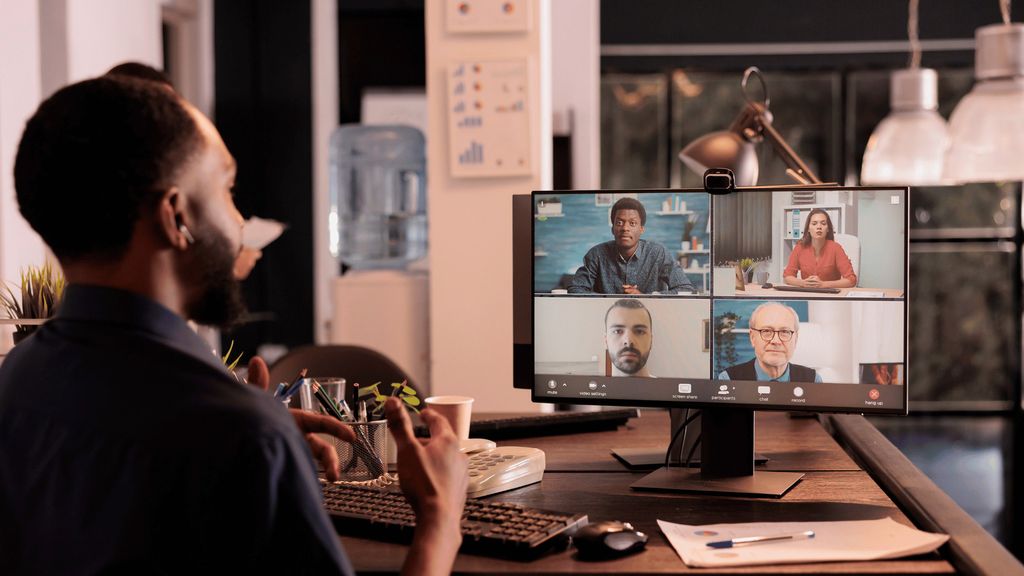
Remote work can take several forms. Some employees work entirely from home, while others follow a hybrid schedule and visit an office on certain days. The social effects can be different for each arrangement.
A fully remote employee may have fewer face-to-face conversations during a normal workday. A hybrid employee may still receive regular in-person interaction with colleagues. Someone who works from home but frequently attends community events or meets friends may have a very active social life.
This is why the question is not simply whether remote work is good or bad for social life. The more useful question is how working from home changes a person’s opportunities for social connection.
How Remote Work Changes Everyday Social Interaction
One of the biggest changes associated with working from home is the loss of casual workplace interaction.
Office environments provide many small opportunities to communicate. These interactions may seem unimportant individually, but they can add up over time.
For example, an employee might normally:
- Talk with a coworker before a meeting
- Eat lunch with colleagues
- Meet people while getting coffee
- Discuss weekend plans with coworkers
- Have informal conversations during breaks
- Attend workplace celebrations
- Talk with colleagues after completing a project
Also Read: Can Lifestyle Tips Help People Who Work From Home? Benefits and Best Practices
A remote worker can still have these experiences, but they usually require more planning.
Also Read: Can N2H Lifestyle Tips Work If I Have a Long Commute? A Practical Guide
Digital communication can replace some workplace conversations, but a message or video call may not provide exactly the same experience as being physically present with another person.
This does not mean remote employees cannot build meaningful relationships. It simply means the social environment is different.
How Working From Home Can Reduce Social Contact
For some people, working from home can reduce the amount of social contact they experience during the week.
Consider a person who lives alone, works remotely, rarely leaves home, and communicates with coworkers mostly through email. That person may spend many hours without meaningful face-to-face interaction.
The change can be especially noticeable when work used to provide a large portion of someone’s daily social contact.
A traditional office can function as an important social environment even when employees do not consider themselves particularly social. Simply being around other people creates opportunities for conversation and connection.
When that environment disappears, a person may need to find other ways to maintain regular interaction.
Does Working From Home Cause Loneliness?
Working from home does not automatically cause loneliness.
Loneliness is influenced by many factors, including the quality of relationships, living arrangements, personality, social support, work conditions, and personal circumstances.
Some people enjoy spending more time alone and feel perfectly connected to others. Others may miss the regular presence of coworkers and find remote work emotionally difficult.
There is also an important difference between being alone and feeling lonely.
A person can spend several hours alone and still feel socially connected because they have supportive relationships outside work. Another person can interact with people online throughout the day and still feel lonely if those interactions do not provide the type of connection they need.
For this reason, the effect of remote work varies considerably between individuals.
Positive Social Effects of Working From Home
Working from home can improve social life in several ways.
More Time for Family and Friends
Eliminating or reducing the daily commute can give employees more usable time.
Instead of spending time driving, waiting for public transportation, or dealing with traffic, a remote worker may have more time before or after work to interact with family and friends.
This can make it easier to:
- Eat dinner with family
- Attend children’s activities
- Call friends
- Visit relatives
- Participate in hobbies
- Join local groups
- Spend time with a partner
The benefit depends on whether the saved time is actually used for meaningful activities rather than being absorbed by additional work.
Greater Flexibility for Social Activities
Remote work can make some schedules easier to manage.
For example, a person might be able to attend a community class during an available period, meet a friend for lunch, or participate in a volunteer activity without dealing with a long commute to and from an office.
This flexibility can be particularly useful for people whose friends and family have different schedules.
Less Commuting Stress
Long commutes can consume time and energy. Removing or reducing the commute may leave people with more energy for relationships and activities outside work.
This can indirectly support social well-being.
However, the benefit is not automatic. If the person uses the extra time to work longer hours, the social advantage may disappear.
More Opportunities to Connect With Local Communities
A remote employee may have more opportunities to become involved in activities near home.
Examples include:
- Local fitness groups
- Libraries
- Community organizations
- Volunteer programs
- Neighborhood events
- Religious or cultural organizations
- Recreational sports
- Classes and workshops
These activities can create social connections that are separate from the workplace.
Negative Social Effects of Working From Home
Remote work can also create social challenges.
Fewer Casual Conversations
Casual conversations are one of the easiest parts of office life to overlook.
A short conversation about a weekend plan or a shared interest can gradually build familiarity between coworkers. Remote workers may have fewer opportunities for these spontaneous moments.
Reduced Face-to-Face Contact
Video calls provide visual communication, but they do not completely reproduce in-person interaction.
Employees may spend much of the day looking at screens and communicating through scheduled meetings, chats, and email.
For some people, this can make the workday feel less socially rich.
Work and Personal Life Can Become Blended
Working from home can make it harder to separate professional life from personal life.
If an employee finishes work but remains at home, there may be less of a physical transition between “work time” and “personal time.”
Without clear boundaries, a person may continue checking messages or working after normal hours.
That can reduce the time available for social activities.
Social Isolation Can Become a Habit
A person who stops participating in social activities may gradually become accustomed to staying home.
At first, skipping an event may feel harmless. Over time, however, fewer social activities can mean fewer opportunities to meet people and maintain relationships.
This is one reason intentional scheduling can be important for remote workers.
How Remote Work Can Affect Friendships
Working from home can change friendships in both helpful and challenging ways.
A person may have more time to contact friends because they no longer commute. On the other hand, the absence of workplace interaction may make a person more dependent on existing friendships for social contact.
Friendships can also become easier to maintain when people make deliberate plans.
For example, remote workers can schedule:
- Weekly coffee meetings
- Regular phone calls
- Weekend activities
- Shared exercise sessions
- Group hobbies
- Monthly dinners
The key factor is often consistency. A single social event may feel good, but regular contact can provide a stronger sense of connection.
How Working From Home Affects Coworker Relationships
Coworker relationships can be more difficult to develop when employees rarely meet in person.
Remote employees may communicate frequently but still know relatively little about their colleagues outside their work responsibilities.
This can happen because digital communication tends to focus on tasks.
Managers and teams can support stronger connections through reasonable social practices, such as informal video conversations, team gatherings, collaborative activities, or occasional in-person meetings when practical.
However, social activities should not become another source of pressure. Not every employee wants frequent virtual social events, and different communication styles should be respected.
Can Remote Workers Build Strong Social Connections?
Yes. Remote workers can build strong social connections.
The workplace is only one possible source of social interaction. People can develop meaningful relationships through family, friendships, hobbies, sports, volunteering, education, professional organizations, and local communities.
Remote work may require more intentional planning because social interaction is less automatic.
For example, someone who works from home could create a weekly routine that includes an exercise class, a lunch with a friend, a community activity, and regular family time.
The goal is not to fill every hour with social activities. Instead, it is to create a healthy balance between work, solitude, and connection.
How to Maintain a Healthy Social Life While Working From Home
Maintaining a social life while working remotely does not need to be complicated.
Create a Clear Work Schedule
Set regular working hours when possible.
A defined start and end to the workday can make it easier to protect personal time.
Leave the House Regularly
Even a short walk can create a useful break from the home environment.
Going to a library, café, gym, park, or community space can also change the daily routine.
Schedule Social Activities
Do not always wait for spontaneous invitations.
Putting a social activity on the calendar can make it more likely to happen.
Maintain In-Person Relationships
Online communication is useful, but face-to-face interaction can add another level of connection.
Meeting a friend for coffee or having dinner with family can provide meaningful social time.
Develop Interests Outside Work
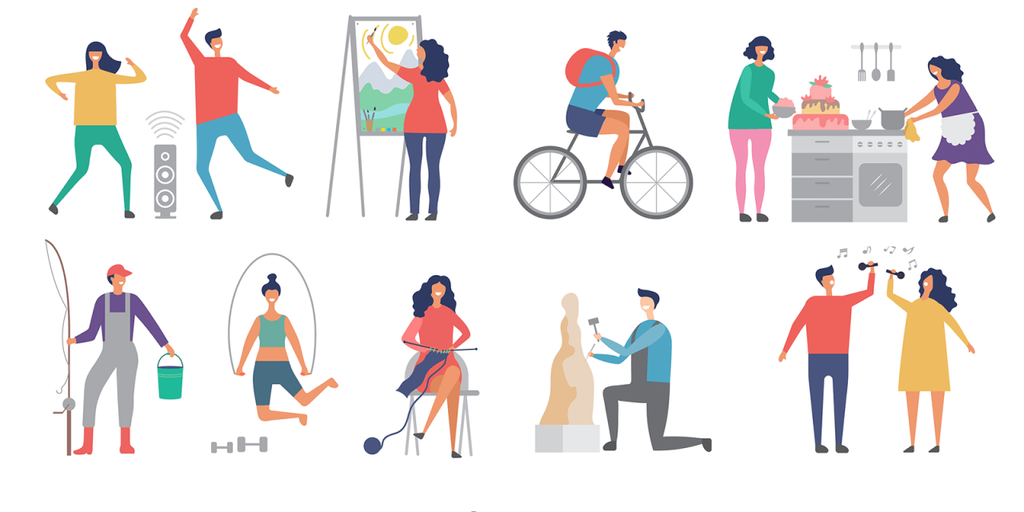
Hobbies can be an effective way to meet people naturally.
Sports, cooking classes, book groups, art activities, gardening, volunteering, and other interests can create opportunities for repeated interaction.
Protect Personal Time
Remote employees should be careful not to allow work to expand across the entire day.
Turning off work notifications after working hours can help create a clearer boundary.
How Managers Can Support Social Connection Among Remote Employees
Employers also have a role in supporting healthy remote work environments.
Managers can encourage communication that is not limited to assignments and deadlines. Regular team check-ins can help employees stay connected, especially when teams rarely meet in person.
Companies may also organize optional social activities or occasional in-person meetings.
However, remote social connection works best when it remains respectful of employees’ time and different preferences.
A mandatory virtual social event every week may not feel helpful to everyone. Some employees may prefer informal conversations, while others may value occasional in-person gatherings.
A flexible approach can allow employees to participate without making social interaction feel like another job requirement.
Remote Work and Social Life for People Who Live Alone
People who live alone may experience remote work differently from people who share a home with family or roommates.
A person living alone may have fewer opportunities for spontaneous conversation during the workday.
This does not mean living alone is unhealthy or that remote work is unsuitable for someone who lives alone. It simply means that regular social activities may be more important for maintaining a desired level of interaction.
A remote worker who lives alone might intentionally schedule activities outside the home, such as exercise classes, volunteer work, community events, or regular meetings with friends.
Remote Work and Social Life for Parents
Working from home can provide parents with more opportunities to spend time with their children.
For example, a parent may have more flexibility around school schedules, meals, or family routines.
At the same time, working from home does not mean a parent is available throughout the entire day. Work responsibilities still require attention.
Clear boundaries can help prevent frustration. Family members can understand when someone is working, while the employee can protect specific periods for family interaction.
This can create a healthier separation between professional and personal responsibilities.
Does Remote Work Make People Less Social?
There is no simple answer.
Remote work changes the environment in which social interaction occurs, but it does not determine a person’s social behavior.
Some people may become more socially active because they have more time and flexibility. Others may become less socially active because they spend more time at home and have fewer natural opportunities to meet people.
Personal habits matter greatly.
Someone who actively participates in community activities may have a strong social life despite working remotely. Someone who rarely leaves home may experience greater social isolation.
Therefore, the relationship between remote work and social behavior is not the same for everyone.
The Role of Digital Communication in Remote Social Life
Digital communication has made it easier for remote workers to stay connected.
Video calls, messaging applications, online communities, professional networks, and social platforms can all support communication.
However, digital communication works best when used as one part of a broader social routine.
Online contact can help people maintain relationships across long distances, but some people may still want regular face-to-face experiences.
A balanced approach can combine digital communication with real-world interaction.
Signs That Working From Home May Be Affecting Your Social Life
A person may want to examine their routine if they notice significant changes in social behavior.
Possible signs include:
- Rarely leaving the house outside necessary errands
- Frequently canceling plans
- Losing contact with friends
- Feeling disconnected from coworkers
- Spending most free time alone
- Having difficulty separating work from personal time
- Feeling that every day follows the same routine
- Avoiding activities that were previously enjoyable
These signs do not automatically mean that remote work is the cause. Other personal or environmental factors may also contribute.
The purpose of noticing these patterns is simply to identify whether a change in routine could improve overall well-being.
How to Create a Social Routine When Working From Home
A practical social routine does not need to be complicated.
One useful approach is to plan social contact across different parts of the week.
For example:
- Meet a friend once during the week
- Exercise with another person
- Schedule a regular family meal
- Participate in one community activity
- Take short breaks outside the home
- Maintain occasional in-person contact with coworkers
- Use calls or video chats to stay connected with people who live far away
The exact routine should match the person’s lifestyle.
The main idea is to avoid allowing every day to become work, household responsibilities, and screen time.
Working From Home and Community Participation
One overlooked benefit of remote work is the possibility of becoming more connected to the local community.
When employees no longer need to commute long distances every day, they may spend more time in their own neighborhoods.
That can create opportunities to learn about local events, support small businesses, volunteer, join recreational programs, or participate in community organizations.
For some people, this can replace workplace social interaction with community-based relationships.
The quality of those relationships may depend on how actively a person participates.
How to Balance Solitude and Social Connection
A healthy social life does not mean being around people constantly.
Time alone can be valuable. It can provide opportunities to rest, think, read, exercise, pursue hobbies, or simply enjoy quiet time.
The challenge is finding the right balance.
A remote worker may benefit from asking simple questions:
- Am I getting enough social interaction?
- Do I have people I can talk to regularly?
- Am I spending time with people outside work?
- Do I enjoy my current routine?
- Am I choosing solitude, or am I avoiding social contact?
- Does work regularly interfere with my personal relationships?
These questions can help someone understand whether their current remote-work routine is working for them.
Is Working From Home Better or Worse for Social Life?
Working from home is neither automatically better nor automatically worse for social life.
Its effect depends on several factors, including:
- Work schedule
- Personality
- Household situation
- Commute time
- Existing friendships
- Local community
- Access to activities
- Workplace culture
- Communication habits
- Personal boundaries
Also Read: What Is the Easiest N2H Lifestyle Habit to Start With?
For some workers, remote work creates valuable flexibility. For others, the lack of regular workplace interaction can be a meaningful social challenge.
Also Read: Can N2H Lifestyle Tips Work With a Nine-to-Five Job? A Practical Guide
A person’s experience can also change over time. Someone may enjoy remote work initially but later decide they want more in-person interaction. Another person may begin remote work feeling uncertain and eventually develop a satisfying routine.
What Is the Best Way to Protect Social Well-Being While Working Remotely?
The most practical approach is to treat social connection as part of a balanced lifestyle rather than expecting it to happen automatically through work.
Remote workers can protect their social well-being by maintaining relationships, leaving the house regularly, participating in activities they enjoy, and setting clear work boundaries.
Employers can also help by creating reasonable opportunities for team connection without assuming that every employee has the same social needs.
The goal is not to recreate the office at home. It is to build a routine that provides enough connection, personal time, and flexibility for the individual.
Frequently Asked Questions
Can working from home change a person’s daily routine?
Yes. Working from home can remove commuting and reduce the number of natural interactions that happen during a normal workday. It can also provide more flexibility for family time, hobbies, errands, and social activities. The overall effect depends on how the person structures the day.
Can remote work affect relationships with coworkers?
Yes. Remote work can make casual conversations and informal relationship-building less frequent. However, regular video meetings, messaging, collaborative projects, occasional in-person gatherings, and informal communication can help maintain strong professional relationships.
Does working from home mean someone is socially isolated?
No. Working from home and social isolation are not the same thing. A remote worker can have an active social life through friends, family, hobbies, community activities, and other relationships. Social isolation becomes a concern when a person has very limited meaningful interaction with others.
Can working from home improve family relationships?
It can. Reduced commuting and greater schedule flexibility may create more opportunities for family interaction. However, working from home can also blur boundaries if work regularly extends into personal time. Clear working hours can help protect family time.
How can remote workers meet new people?
Remote workers can meet people through local clubs, sports, classes, volunteering, professional organizations, community events, libraries, hobby groups, and other activities. Choosing activities that occur regularly can make it easier to develop ongoing relationships.
Conclusion
So, can working from home affect a person’s social life? Yes, but the effect is not the same for everyone.
Remote work can reduce spontaneous workplace conversations and face-to-face contact. For some people, this may increase feelings of isolation or make social relationships require more planning. At the same time, working from home can provide greater flexibility, reduce commuting, and create more time for family, friends, hobbies, and community involvement.
The most important factor is often how the additional flexibility is used. A remote worker who maintains relationships, participates in activities, leaves the house regularly, and establishes clear work boundaries can build a healthy and active social life.
Working from home changes where work happens, but it does not have to determine how connected a person feels. A thoughtful balance between work, personal time, and meaningful human interaction can help remote employees enjoy the advantages of flexibility without losing important social connections.