Can Remote Work Change a Person’s Daily Energy Levels?
Remote work has changed the way many people in the United States organize their working day. Instead of commuting to an office, employees may start work from a home office, bedroom, kitchen table, or another personal space. This change can affect much more than where a person works. It can also influence sleep, movement, meals, stress, social interaction, and the amount of time available for personal activities.
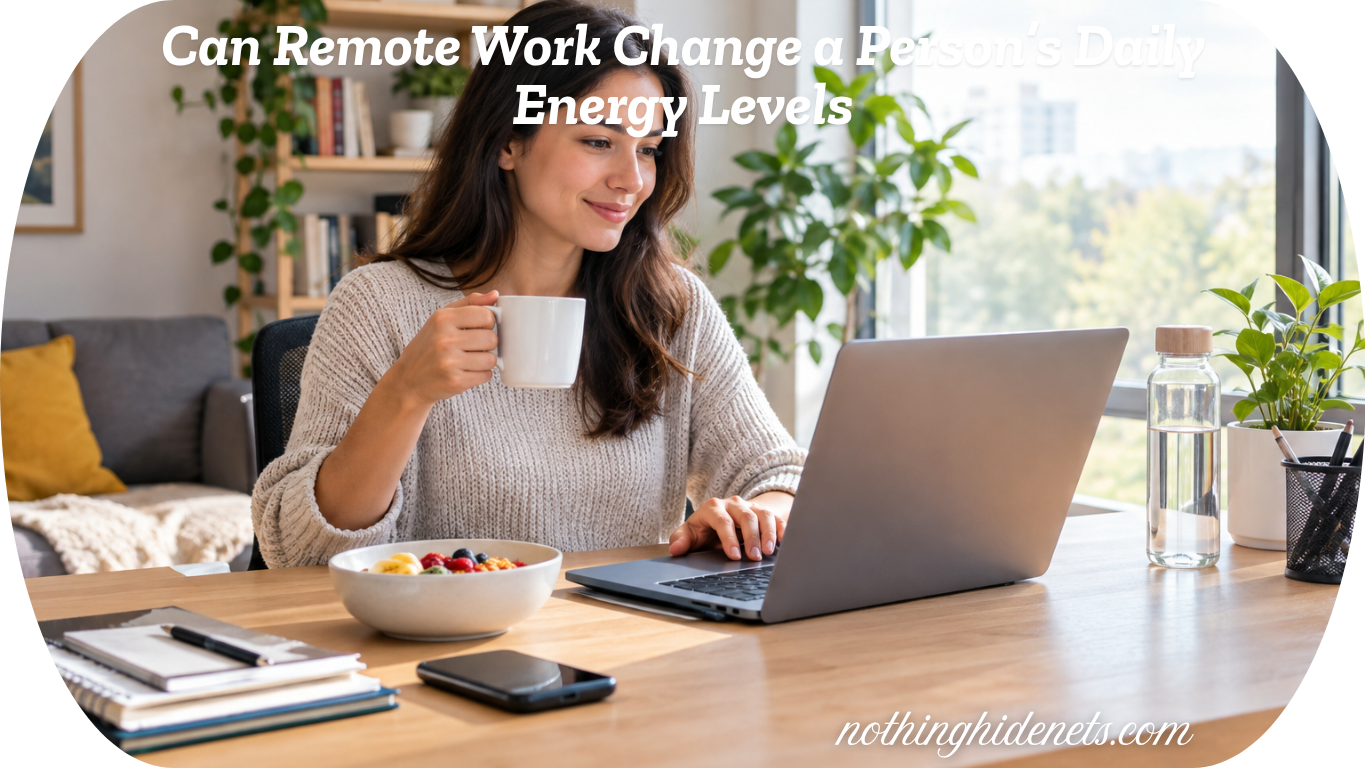
This leads to an important question: Can remote work change a person’s daily energy levels?
Yes, remote work can affect daily energy levels, but the effect is different for each person. Some people may feel more energetic because they no longer have to spend time commuting. They may sleep longer, exercise more easily, prepare healthier meals, or take short breaks during the day. Other people may feel more tired because they sit for longer periods, spend more time looking at screens, work beyond normal hours, or have difficulty separating work from home life.
Daily energy is influenced by many factors, so remote work should not be treated as the only cause of tiredness or increased energy. A person’s sleep schedule, physical activity, workload, stress, nutrition, workspace, and personal routine can all make a difference.
Understanding these factors can help remote workers create a daily routine that supports steady energy instead of leaving them exhausted by the end of the workday.
What Does Daily Energy Level Mean?
Daily energy level describes how physically and mentally alert a person feels during different parts of the day. Energy is not simply about whether someone feels strong or weak. It can also affect concentration, motivation, attention, mood, and the ability to complete everyday tasks.
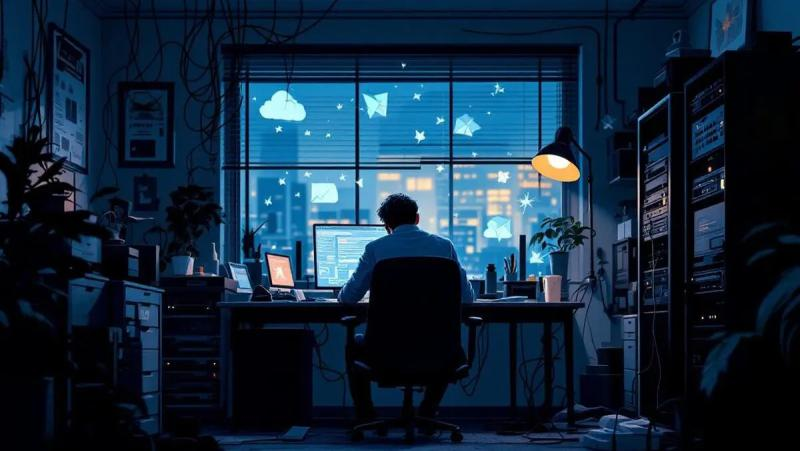
It is normal for energy to change throughout the day. Many people feel more alert in the morning, experience a lower level of energy after lunch, and become more relaxed in the evening. However, the way a person works can influence these natural changes.
Several factors can affect daily energy, including:
- Sleep duration
- Sleep quality
- Physical activity
- Sitting time
- Workload
- Stress
- Meal timing
- Hydration
- Daylight exposure
- Social interaction
- Screen time
- Workspace comfort
- Personal health
For remote workers, these factors may change because the workplace and home are often in the same location.
For example, an employee who previously walked to public transportation every morning may now walk only a few steps from the bedroom to the computer. At the same time, that employee may gain an extra hour that could be used for sleep or exercise.
Therefore, the effect of remote work on energy depends partly on what replaces the activities that disappear when a person stops commuting.
Why Can Remote Work Make Some People Feel More Energetic?
Remote work can provide more control over the daily schedule.
Also Read: Is Working From Home Unhealthy for Everyone? A Complete Guide to Remote Work and Health
For some people, this flexibility can reduce unnecessary stress and create more opportunities for recovery. Removing a long commute is one of the clearest examples.
Also Read: Can Lifestyle Changes Prevent Remote-Work Burnout? A Practical Guide
A worker who normally leaves home at 7:00 a.m. may have to wake much earlier because of traffic or public transportation. When working remotely, that same person may be able to sleep longer.
Extra time can also be used for healthy activities.
A remote worker may have enough time to:
- Prepare breakfast
- Walk outside
- Exercise
- Spend time with family
- Prepare lunch
- Take a quiet morning break
- Start work without rushing
Remote work may also allow some employees to organize demanding tasks around their most productive periods. If someone naturally concentrates better in the morning, they may be able to complete important work before afternoon meetings.
However, these advantages are not guaranteed. A flexible schedule can become a problem if the worker uses every extra hour for additional work.
Can Sitting During Remote Work Lower Energy?
Long periods of sitting can contribute to a feeling of physical tiredness or stiffness, even though the person is not doing physically demanding work.
This may seem strange because sitting requires less physical effort than walking or exercising. However, spending most of the day in one position can make the body feel inactive and uncomfortable.
Office workers often get small amounts of movement without planning them. They may walk to another desk, visit a meeting room, use stairs, go outside, or walk to get lunch.
Remote workers may lose many of these small movement opportunities.
This does not mean every remote employee will become inactive. A person who exercises regularly and takes frequent walking breaks may actually move more than someone who works in an office.
The important issue is how the entire day is structured.
A remote worker who sits for eight hours and exercises for 30 minutes has a different daily movement pattern from someone who works at a standing desk, walks during calls, takes breaks, and exercises later.
Replacing lost movement with intentional movement can therefore be an important part of managing energy while working from home.
How Does Exercise Affect Energy During Remote Work?
Exercise can play an important role in a remote worker’s daily routine.
Regular physical activity supports overall health and can help people feel better, sleep better, and maintain physical function. It can also provide a useful break from long periods of screen-based work.
Exercise does not always need to be intense.
A remote worker could:
- Walk before starting work
- Stretch between meetings
- Walk while making phone calls
- Take a short walk after lunch
- Use stairs during breaks
- Exercise before or after work
- Perform simple movement exercises during the day
Short periods of movement can also make the workday feel less repetitive.
For example, a person who has been sitting for two hours may feel mentally tired. A short walk outside can provide a change of environment and give the person a break from the screen.
However, exercise should not be used as a replacement for sleep. A person who regularly sleeps too little should not sacrifice additional sleep simply to fit in a workout.
The goal is to create a balanced routine where physical activity supports, rather than competes with, recovery.
Can Remote Work Affect Sleep and Morning Energy?
Sleep is one of the most important factors connected to daily energy.
Remote work can improve sleep for some people because it removes commuting time. A worker may be able to wake later without arriving late at work.
For example, someone who previously needed to leave home at 7:00 a.m. may be able to begin working at 8:00 a.m. from home. The additional time may allow for more sleep.
However, remote work can also interfere with sleep when work boundaries become unclear.
A person may finish their normal workday but continue checking emails from the couch. They may answer messages late at night or work on unfinished tasks before going to bed.
This can make it harder to mentally disconnect from work.
A consistent sleep schedule can help support daily energy. Adults generally need at least seven hours of sleep each night, although individual needs can vary.
Remote workers can also benefit from creating a clear difference between work time and sleep time. Keeping laptops, work documents, and notifications away from the sleeping area may make that separation easier.
How Does Natural Light Affect Energy for Remote Workers?
Natural light is easy to overlook when discussing remote work.
An office worker may receive daylight while traveling to work, walking outside for lunch, or moving between buildings. Someone working from home may remain indoors for most of the day.
Natural light, particularly in the morning, can support a regular sleep-wake rhythm.
A simple morning routine can therefore be useful. Opening curtains, sitting near natural light, or taking a short outdoor walk can provide a change of environment before work begins.
Daylight can also help break up the feeling of staying inside all day.
This does not mean remote workers need to spend hours outdoors. Even small opportunities to go outside can make the day feel less repetitive.
A morning walk can be particularly useful because it combines movement, daylight, and a clear transition between personal time and working time.
Can Work Stress Change Daily Energy Levels?
Mental energy is just as important as physical energy.
A remote worker may not be physically tired but may feel mentally exhausted after several hours of meetings, emails, deadlines, and digital communication.
Stress can affect concentration and make ordinary tasks feel more difficult.
Remote work can reduce certain types of stress, such as commuting, office interruptions, or uncomfortable workplace environments. However, it can create other challenges.
For example, a worker may receive messages through email, chat applications, video meetings, and other digital platforms throughout the day.
When these systems are active at the same time, it can become difficult to focus on one task.
Workload also matters. Remote work does not automatically make a demanding job easier.
If an employee has unrealistic deadlines, too many meetings, or insufficient breaks, fatigue may develop regardless of where the person works.
For this reason, managing energy requires looking at both personal habits and workplace expectations.
Can Too Many Video Meetings Reduce Energy?
Video meetings can be useful for remote communication, but too many meetings can make the workday mentally tiring.
A worker may spend several hours looking at a screen without changing position. Between meetings, there may be only a few minutes to answer messages before another meeting begins.
This can reduce opportunities for movement and recovery.
Back-to-back meetings can also make it difficult to eat lunch, drink water, stretch, or take a short outdoor break.
Where possible, short spaces between meetings can make the day easier to manage.
A five-minute break can be used to:
- Stand up
- Walk around
- Drink water
- Stretch
- Look away from the screen
- Rest the eyes
- Take a few slow breaths
These breaks may appear small, but several short breaks throughout the day can create a meaningful difference in how the workday feels.
Remote workers may also benefit from having audio-only calls when video is not necessary and workplace policies allow it. This can provide an opportunity to move around during certain types of conversations.
How Can Meals Affect Energy During Remote Work?
Food and hydration can also influence how a person feels during the workday.
Working from home can make meals easier because the kitchen is nearby. However, it can also encourage irregular eating.
Some workers skip breakfast because there is no commute. Others eat lunch while typing emails. Some may snack frequently simply because food is always available.
A more structured meal routine may help maintain consistent energy.
A remote worker can consider:
- Eating meals at relatively consistent times
- Drinking water throughout the day
- Including protein and fiber in meals
- Avoiding very large meals before demanding tasks
- Taking lunch away from the computer
- Preparing meals before busy work periods
- Avoiding the habit of replacing meals with constant snacks
There is no single eating pattern that works for everyone.
People with specific dietary needs or medical conditions should follow advice from a qualified healthcare professional.
The main point is that eating should not become another activity squeezed between meetings.
A genuine lunch break can provide both nutritional support and mental recovery.
How Does the Home Workspace Affect Daily Energy?
The physical environment can influence how tiring a remote workday feels.
A person working at an uncomfortable kitchen table may experience more physical discomfort than someone with an appropriate workstation.
Common problems can include:
- Poor screen height
- Uncomfortable seating
- Insufficient lighting
- Screen glare
- Excessive noise
- Poor temperature control
- Limited space to change posture
The workspace does not need to be expensive to be useful.
A comfortable chair, appropriate screen position, adequate lighting, and enough space to move can make a meaningful difference.
It is also useful to change position regularly.
Even a good chair does not make sitting continuously for hours ideal. Alternating between sitting, standing, and walking can help break up long periods of inactivity.
Remote workers should also pay attention to screen fatigue. Looking at a screen continuously without breaks can contribute to eye discomfort and mental tiredness.
Short screen breaks can help the worker return to the task with greater comfort.
Can Remote Work Affect Social Energy?
Work is not only about completing tasks. Human interaction can also influence how a person experiences the workday.
Office workers often have natural social interactions. They may greet coworkers, talk during lunch, walk to meetings together, or have short conversations between tasks.
Remote workers may have fewer spontaneous interactions.
For some people, this is a benefit. Fewer interruptions can make it easier to concentrate.
For others, limited social contact can make the workday feel isolated or repetitive.
The solution does not have to be returning to a traditional office.
Remote workers can maintain social connection through appropriate activities, such as:
- Talking with coworkers
- Having occasional in-person meetings
- Eating lunch with family or friends
- Joining community activities
- Walking with another person
- Maintaining hobbies
- Spending time outside the home after work
The right amount of social interaction depends on the individual.
The important point is that remote workers should not assume that social connection will automatically happen during the workday. It may need to be planned.
Why Work-Life Boundaries Matter for Remote Worker Energy
One of the biggest differences between remote and office work is the physical separation between professional and personal life.
An office worker normally leaves the workplace at the end of the day.
A remote worker may finish work while sitting only a few feet from the same computer they used all day.
This can make it difficult to switch mentally from work mode to personal time.
A simple shutdown routine can help.
For example, a worker might:
- Finish the final task.
- Review important messages.
- Write down unfinished tasks for the next day.
- Close work applications.
- Turn off notifications.
- Shut down the computer.
- Leave the workspace.
- Take a short walk or begin another personal activity.
This routine creates a clear endpoint.
Without a clear endpoint, a worker may repeatedly return to unfinished tasks throughout the evening.
Over time, that can reduce opportunities for relaxation and recovery.
How Can Remote Workers Maintain Steadier Energy?
A remote worker does not need to completely redesign the day to improve energy.
Small, consistent changes can be more practical.
Starting the day at a consistent time can create structure. A short walk or another form of movement can provide a transition before work.
During the workday, workers can avoid sitting continuously by standing or walking during appropriate breaks.
Lunch can be treated as a real break rather than another opportunity to answer emails.
After work, shutting down the computer and leaving the workspace can help create separation.
Sleep should remain a priority because no productivity strategy can fully compensate for consistently inadequate rest.
It can also help to identify personal energy patterns.
For example, a worker may notice:
- High concentration from 8 a.m. to 11 a.m.
- Lower energy after lunch
- Improved alertness after a short walk
- Greater tiredness after back-to-back meetings
- Difficulty relaxing after late-night work
Once these patterns are clear, the person may be able to adjust the schedule where the job allows it.
When Should Low Energy During Remote Work Be Taken Seriously?
Not every period of tiredness is a sign of a serious problem.
Long meetings, poor sleep, stressful deadlines, and an unusually busy week can temporarily reduce energy.
However, persistent or unexplained fatigue should not automatically be blamed on remote work.
Ongoing tiredness can have many possible causes, including sleep problems, stress, nutritional issues, medication effects, and medical conditions.
A person who experiences severe, persistent, or unexplained fatigue should consider discussing it with a qualified healthcare professional, especially if other symptoms are present.
It can also help to review the daily routine.
A worker can track sleep, work hours, exercise, meals, breaks, and energy for several days. This may reveal a clear pattern.
For example, someone may discover that low energy happens mostly after nights of late work. Another person may notice that afternoon tiredness is much worse on days with no movement or lunch break.
Finding the pattern can be more useful than assuming that remote work itself is the problem.
What Can Employers Do to Support Remote Worker Energy?
Daily energy is not entirely an individual responsibility.
Employers can influence the conditions under which remote employees work.
Reasonable workloads, clear expectations, manageable meeting schedules, supportive managers, and respect for personal time can all contribute to a more sustainable remote-work environment.
Employers can also consider whether employees have enough opportunities to take appropriate breaks.
Constant meetings can make it difficult for workers to stand, eat, or step away from screens.
Clear communication expectations can also help. If employees feel that they must respond instantly to every message, digital communication can become a continuous source of pressure.
A healthier remote-work structure does not mean employees should work less than necessary. It means work should be organized in a way that allows people to maintain reasonable boundaries and recover between demanding periods.
This is especially important because remote work affects people differently.
An employee with a quiet home office and flexible schedule may have a very different experience from someone working in a crowded home, caring for family members, and attending meetings throughout the day.
Can Remote Work Change a Person’s Daily Energy Levels in the Long Term?
Remote work can influence long-term routines, but the effect depends on the habits that develop around the job.
A person who uses remote work to sleep adequately, exercise, prepare meals, take breaks, and maintain social connections may develop a sustainable routine.
Another person may gradually begin working longer hours, sitting more, sleeping less, and rarely leaving the home.
The difference is not simply the location of the job. It is the overall pattern.
Also Read: Can Working From Home Improve Family Relationships? A Complete Guide
This is why remote workers can benefit from regularly reviewing their routine.
Also Read: Can Working From Home Change a Person’s Daily Routine? A Complete Guide
Every few weeks, it may be useful to ask:
- Am I sleeping enough?
- Am I moving throughout the day?
- Do I take real breaks?
- Do I regularly go outside?
- Do I stop working at a reasonable time?
- Do I have enough social interaction?
- Do I feel tired because of workload or because of poor recovery?
- Is my workspace comfortable?
These questions can help identify problems before they become permanent habits.
The most useful way to think about remote work is as a flexible working environment. Flexibility can support energy when it is used to create better routines, but it can work against energy when it leads to constant availability, inactivity, or poor sleep.
Frequently Asked Questions
Can working from home make a person tired even without physical labor?
Yes. Mental work can be tiring even when the body is not performing strenuous physical activity. Long periods of concentration, meetings, screen exposure, stress, and constant digital communication can contribute to mental fatigue.
Does working remotely mean a person needs more exercise?
Not necessarily. Remote workers do not automatically need more exercise simply because they work from home. However, people who have lost daily movement because of the lack of commuting may need to intentionally add walking, stretching, or other physical activity to their routine.
Can a remote worker have better energy by starting work later?
For some people, a later start may make the morning less rushed and allow more sleep. However, the best schedule depends on the person’s sleep needs, job requirements, and natural daily rhythm. Starting later is not automatically better if it causes the person to work late into the evening.
Can changing the workspace improve energy during remote work?
Yes. A more comfortable and organized workspace can reduce physical discomfort and make concentration easier. Better lighting, appropriate screen positioning, comfortable seating, and regular changes in posture may help make a long workday more manageable.
Why do some people feel more tired after remote work than after office work?
Remote workers may experience longer periods of sitting, more screen time, fewer natural movement breaks, back-to-back virtual meetings, or difficulty ending the workday. However, another person may feel less tired remotely because they avoid commuting and have greater control over their schedule. The reason can therefore differ from person to person.
Conclusion
So, can remote work change a person’s daily energy levels? Yes, remote work can influence daily energy, but it does not affect everyone in the same way.
Working from home can remove commuting stress, provide more time for sleep, make exercise easier to schedule, and give workers greater control over parts of their daily routine. At the same time, it can reduce natural movement, increase screen time, create more opportunities for sitting, and make it harder to separate working hours from personal time.
The most important factor is often the routine built around remote work.
A person who gets enough sleep, moves regularly, takes meaningful breaks, eats balanced meals, gets daylight, manages workload, and creates a clear end to the workday may be able to maintain more stable energy.
On the other hand, a person who works continuously, skips meals, rarely moves, stays indoors all day, and checks work messages late at night may experience greater fatigue.
For this reason, remote work should not be viewed as automatically good or bad for energy. It is better understood as a working arrangement that changes the conditions surrounding a person’s daily habits.
When those habits support sleep, movement, recovery, and healthy work boundaries, remote work can become a sustainable part of everyday life.