Can N2H Lifestyle Tips Work If I Have a Long Commute? A Practical Guide
Long commutes can make healthy and balanced living feel difficult. When several hours of the day are spent driving, riding a train, taking a bus, or moving between different forms of transportation, there may be less time for exercise, cooking, sleep, hobbies, and personal care.
This is why many people ask, “Can N2H lifestyle tips work if I have a long commute?”
The answer can be yes, but the key is adaptation. Lifestyle advice does not always need to be followed in a perfect or fixed way. A person with a 15-minute commute has a different daily routine from someone who spends two hours traveling to work. Practical lifestyle habits should fit the time, energy, transportation method, and responsibilities of the individual.
N2H lifestyle tips can be viewed as general ideas for improving everyday habits, organization, balance, and well-being. For someone with a long commute, those ideas may need to be adjusted rather than abandoned.
The most useful approach is to focus on small habits that can realistically fit into a busy schedule. Instead of trying to change everything at once, commuters can identify the parts of their routine that create the most stress and make simple improvements around them.
Can N2H Lifestyle Tips Work With a Long Commute?
Yes, N2H lifestyle tips can work with a long commute when they are adapted to the person’s schedule.
Someone with a long commute may not have the same amount of free time as someone who works close to home. Instead of following a routine exactly as written, the commuter can break larger goals into smaller actions.
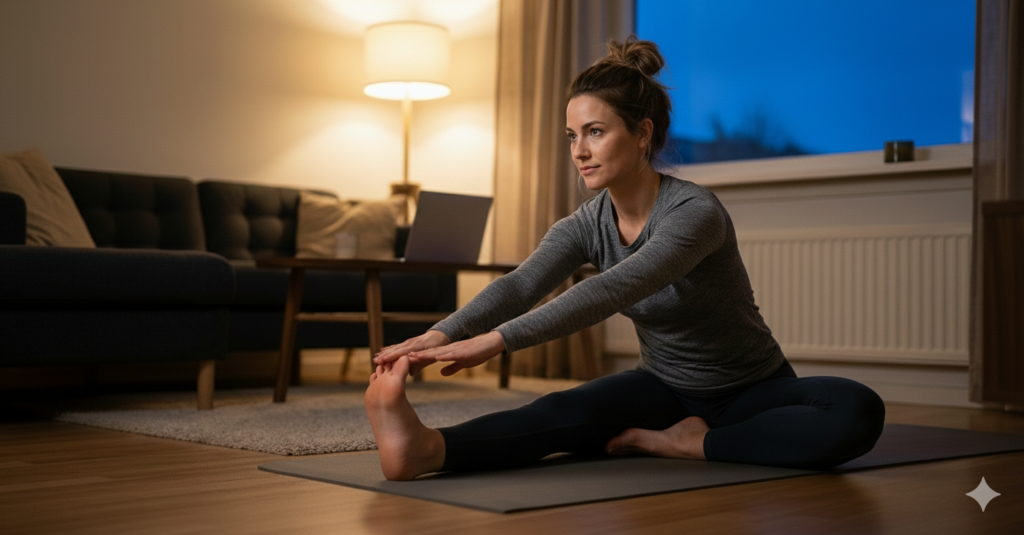
For example, a person may not have time for a long workout after work. A shorter workout before work, during a lunch break, or on selected days may be more realistic.
The same idea applies to other habits:
- Meal preparation can be done in batches.
- Exercise can be divided into shorter sessions.
- Errands can be grouped together.
- Rest can be planned instead of left until the end of the day.
- Weekends can be used for preparation without turning them into nonstop workdays.
- Commute time can sometimes be used for safe, low-effort activities.
The goal is not to make every minute productive. A long commute can already be tiring, so rest and recovery are also important parts of a balanced lifestyle.
Why Long Commutes Make Lifestyle Changes More Difficult
A long commute affects more than the number of hours a person spends traveling.
Commuting can influence sleep, energy, meal timing, exercise opportunities, stress levels, and available personal time. These effects can become more noticeable when the commute happens every weekday.
For drivers, there is also the mental effort of staying focused on traffic and road conditions. Public transportation users may have more freedom during the trip, but crowded vehicles, delays, transfers, and noise can still be tiring.
A long commute may also create a pattern where a person wakes up early, works for several hours, travels home, eats dinner, handles household responsibilities, and then goes to bed.
Also Read: What Is the Easiest N2H Lifestyle Habit to Start With?
That leaves very little time for additional activities.
Also Read: Can N2H Lifestyle Tips Work With a Nine-to-Five Job? A Practical Guide
This is why realistic lifestyle planning matters. A routine that looks healthy on paper may not be sustainable if it requires more time and energy than the person actually has.
A better approach is to ask, “What small change can I maintain every week?”
That question often produces more useful results than trying to create a perfect daily schedule.
How to Build a Healthy Routine Around a Long Commute
A commuter-friendly routine should start with the parts of the day that cannot easily be changed.
Work hours, commute times, school schedules, family responsibilities, and necessary appointments usually create the basic structure of the day.
After those fixed activities are identified, flexible habits can be added around them.
For example, someone who leaves home at 6:30 a.m. and returns at 7:00 p.m. may not have enough energy for a one-hour workout every evening. Instead, the person might schedule three short workouts during the week and use walking or other light activity when possible.
The same principle works for food.
Rather than deciding to cook a complicated meal every night, a person could prepare several basic ingredients on a less busy day. These ingredients can then be combined into simple meals throughout the week.
A practical routine should also include recovery.
If every available minute is filled with exercise, chores, learning, and productivity tasks, the routine can become another source of stress.
Balance means making room for necessary rest as well.
Can You Exercise When You Have a Long Commute?
Yes. A long commute can make exercise harder, but it does not automatically prevent physical activity.
The main challenge is finding a time and format that can be maintained.
Some people prefer exercising before work because their energy is higher in the morning. Others may find a short workout after work more realistic. Some commuters may have access to a gym near their workplace, while others may prefer home workouts.
Physical activity does not always need to be a long gym session.
Depending on a person’s abilities and circumstances, movement can include:
- Walking
- Strength exercises
- Stretching
- Mobility exercises
- Short home workouts
- Recreational activities
- Taking stairs when practical
- Walking during appropriate breaks
For people who drive, safety should come first. Exercise should never be performed while driving or in a way that distracts from traffic.
People who use public transportation may have opportunities to walk between stops or use travel time for planning, reading, or relaxation, but they should still prioritize personal safety and comfort.
The best exercise routine is usually one that fits the person’s schedule and can be repeated consistently.
How to Manage Meals With a Long Daily Commute
Food planning can become one of the biggest challenges for people with long commutes.
When someone gets home late and feels tired, ordering takeout or choosing convenient packaged foods may seem easier than cooking. Convenience is not automatically a problem, but depending on it every day may make it harder for some people to follow their preferred eating habits.
Meal planning can reduce this pressure.
A simple approach is to prepare a few basic foods ahead of time instead of cooking every meal from scratch.
For example, a person might prepare:
- A protein source
- Whole grains or another preferred carbohydrate
- Vegetables
- Fruit
- Easy breakfast items
- Simple snacks
These foods can be combined differently throughout the week.
Breakfast can also be simplified. Overnight oats, yogurt, fruit, eggs, whole-grain toast, or other easy options may require less morning preparation.
The exact choices depend on individual dietary needs and preferences.
People with specific medical or nutritional needs should use advice from an appropriate healthcare professional rather than relying entirely on general lifestyle content.
How to Use Commute Time Without Making Yourself More Tired
One of the most interesting parts of long-commute planning is deciding what to do with travel time.
The answer depends heavily on the type of transportation.
If a person is driving, the commute should remain focused on safe driving. Audio content may be appropriate when it can be used without distraction and in accordance with local laws and vehicle controls, but activities that require reading, typing, or looking at a screen are unsafe.
Public transportation creates different possibilities.
A train or bus passenger may sometimes use the trip to:
- Read
- Listen to podcasts
- Listen to music
- Review a simple plan for the day
- Practice relaxation techniques
- Respond to non-urgent messages
- Simply rest
However, not every commute needs to become productive.
This is an important lifestyle point. People sometimes feel pressure to turn every unused minute into “productive time.” That can make an already exhausting commute feel even more demanding.
Sometimes sitting quietly and recovering is a useful way to spend the trip.
Can N2H Lifestyle Tips Help With Commuter Stress?
Lifestyle advice may help a person manage some everyday sources of stress, but it should not be treated as a substitute for professional care when stress becomes severe or persistent.
Long commutes can create repeated stress because they add travel time and uncertainty to an already busy day. Traffic, delays, crowded transportation, parking problems, weather, and unexpected changes can all affect mood.
Simple stress-management habits may help.
These can include:
- Preparing clothes and bags the night before
- Leaving extra travel time when possible
- Keeping meals organized
- Creating a realistic daily schedule
- Limiting unnecessary commitments
- Taking short breaks
- Practicing slow breathing
- Protecting sleep time
- Keeping some personal time free
Preparation can also reduce decision fatigue.
For example, deciding what to wear, eat, and take to work in advance can make mornings less rushed.
The objective is not to eliminate every stressful moment. Instead, it is to reduce avoidable stress where practical.
How Sleep Should Fit Into a Long-Commute Lifestyle
Sleep can be one of the first things affected when commuting takes several hours each day.
A person may wake up earlier to travel to work and arrive home later because of the return trip. If bedtime does not change, the result may be less sleep.
This creates a problem because cutting sleep to make room for more exercise, household tasks, entertainment, or productivity may eventually make the overall routine harder to maintain.
For many adults, getting adequate sleep should be treated as a basic part of lifestyle planning rather than an optional extra.
A commuter-friendly sleep routine may involve:
- Keeping a consistent bedtime
- Preparing for the next day earlier
- Reducing unnecessary late-night tasks
- Creating a comfortable sleep environment
- Limiting activities that keep the mind highly active immediately before bed
- Protecting enough time for sleep
The exact amount of sleep needed can vary, but adults generally need regular, sufficient sleep to support daily functioning.
If someone is regularly struggling with sleep despite making reasonable changes, professional medical advice may be appropriate.
How to Save Time During a Busy Commute Week
Time management becomes especially important when commuting takes a large part of the day.
One useful strategy is batching.
Instead of doing small tasks every day, similar tasks can sometimes be grouped together.
For example, a person could:
- Grocery shop once or twice a week
- Prepare several meals together
- Handle multiple errands during one trip
- Plan outfits in advance
- Prepare work materials the night before
- Schedule appointments around existing trips
Technology can also help with organization.
Calendar applications, reminder tools, grocery lists, navigation apps, and note-taking tools can reduce the amount of information a person has to remember.
However, technology should simplify the routine rather than create more notifications and distractions.
A useful rule is to automate or organize repetitive tasks when doing so genuinely saves time.
How to Make Lifestyle Tips More Realistic
The biggest difference between a lifestyle tip that looks good and one that works in real life is sustainability.
A commuter should ask several questions before adopting a new habit:
- Does this fit my actual schedule?
- Can I do it on a difficult workday?
- Does it require equipment or money I do not have?
- Will it reduce stress or create more pressure?
- Can I maintain it for several months?
- Does it support my main priorities?
These questions help separate practical advice from unrealistic routines.
For example, “exercise for one hour every day” may sound straightforward, but it may not work for someone who spends four hours commuting.
A shorter routine performed consistently could be more realistic.
The same concept applies to cooking, hobbies, reading, social activities, and personal development.
Lifestyle planning should work with real life instead of pretending that work, travel, family responsibilities, and fatigue do not exist.
What If Your Commute Leaves You With Almost No Free Time?
Some commuters genuinely have very little free time.
In this situation, adding more activities may not be the answer.
The better strategy may be to simplify.
Look at the weekly routine and identify activities that can be reduced, combined, delegated, automated, or removed.
For example, a person might reduce unnecessary errands by using delivery services when affordable, prepare meals in larger batches, or organize household responsibilities with family members.
Work arrangements may also be worth considering.
Depending on the employer and job, options such as flexible hours, hybrid work, compressed schedules, or occasional remote work may reduce commuting demands. Availability varies widely by workplace and occupation.
It is also important to recognize when the problem is the commute itself.
If a commute consistently consumes several hours every day and leaves little time for sleep, relationships, exercise, or basic recovery, changing the commute may have a greater impact than adding more lifestyle hacks.
Sometimes the most useful lifestyle change is reducing an unnecessary source of daily strain.
How Weekends Can Support a Long-Commute Lifestyle
Weekends can provide more flexibility, but they should not become a second workweek.
Some preparation can make weekdays easier.
For example, a person may use part of the weekend to:
- Plan meals
- Grocery shop
- Prepare ingredients
- Organize work clothes
- Review the upcoming schedule
- Plan exercise sessions
- Complete selected household tasks
But recovery should also be protected.
If every weekend hour is spent preparing for Monday, the person may never feel rested.
A balanced weekend can include both preparation and enjoyable activities.
Social time, hobbies, outdoor activities, family time, and simple relaxation can all be valuable.
This matters because lifestyle balance is not only about efficiency. A routine should also leave room for experiences that make life meaningful.
Can Small Lifestyle Changes Make a Difference?
Small changes can be easier to maintain than dramatic changes.
A commuter does not necessarily need to redesign their entire life in one week.
Instead, they could begin with one or two changes.
For example:
- Prepare breakfast the night before.
- Go to bed 30 minutes earlier.
- Pack lunch before leaving home.
- Walk during an appropriate break.
- Prepare a weekly schedule on Sunday.
- Keep easy, preferred foods available at home.
- Use part of the commute for relaxation when it is safe.
- Protect one evening for personal time.
Once a habit becomes normal, another small improvement can be introduced.
This gradual approach may be less exciting than a complete lifestyle transformation, but it can be easier to sustain.
Consistency often matters more than intensity when the goal is building everyday habits.
Common Mistakes When Following Lifestyle Advice With a Long Commute
Long-commute workers may make several common mistakes when trying to improve their lifestyle.
The first is copying someone else’s routine exactly.
A routine created for a person with a short commute may not fit someone who spends hours traveling.
The second mistake is trying to use every free minute productively.
Rest is not wasted time. Recovery can be necessary for maintaining energy and focus.
Another mistake is sacrificing sleep to make room for additional activities.
This can create a cycle in which a person becomes more tired and then struggles to maintain exercise, meal planning, or other healthy habits.
A fourth mistake is making too many changes at once.
When five or ten new habits are introduced simultaneously, it can become difficult to determine which ones are actually helpful.
Finally, some people ignore the underlying problem.
If the commute itself is the main source of exhaustion, endlessly optimizing small habits may not solve the larger issue.
The best approach is to look at both daily habits and the structure of the routine.
A Simple N2H Lifestyle Routine for Long Commuters
A practical routine does not need to be complicated.
A long-commute worker might structure the day around a few basic priorities.
In the morning, the focus could be on getting ready without unnecessary rushing. Preparing clothing, food, and work materials the night before can help.
During the commute, the activity should depend on the transportation method. Drivers should focus on driving, while passengers may choose between entertainment, learning, planning, or rest.
During the workday, short opportunities for movement and breaks can be useful when available.
After work, the goal should not always be maximum productivity. A person may need time to eat, relax, spend time with family, exercise briefly, or prepare for the next day.
At night, protecting sleep becomes important.
The routine can be summarized as:
- Prepare ahead.
- Keep meals simple.
- Move when practical.
- Use commute time appropriately.
- Reduce unnecessary decisions.
- Protect sleep.
- Leave room for rest.
- Adjust the routine when life changes.
This flexible structure is more realistic than expecting every day to look exactly the same.
How to Know If Your Lifestyle Routine Is Actually Working
A lifestyle routine should be evaluated by its real-world results.
Instead of asking whether the routine looks impressive, ask whether it makes everyday life more manageable.
Useful signs may include:
- Less morning rushing
- More consistent meals
- Better organization
- More regular physical activity
- Adequate sleep
- More predictable evenings
- Less unnecessary stress
- Enough time for relationships and personal interests
It is also useful to watch for negative signs.
Also Read:Can the N2H Lifestyle Tips Work for People With Busy Schedules?
If a routine causes constant exhaustion, removes all free time, reduces sleep, or creates significant stress, it may need to be changed.
There is no requirement to keep a lifestyle habit simply because it is popular online.
Personal circumstances matter.
Also Read:Does N2H Lifestyle Content Require Buying Expensive Products? A Complete Guide
A routine should be flexible enough to change when work schedules, family responsibilities, transportation, health needs, or other circumstances change.
Frequently Asked Questions
Can I follow N2H lifestyle tips without changing my commute?
Yes, you can adjust your daily habits around your existing travel schedule. Focus on small changes that fit naturally before, during, or after your commute.
How can I stay consistent with lifestyle tips during busy workweeks?
Choose a few simple habits instead of trying to follow a large routine. A manageable plan is easier to repeat when work and travel take up much of your day.
Are N2H lifestyle tips suitable for people who work long hours?
They can be adapted for people with demanding schedules by focusing on realistic goals. Simple meal planning, regular movement, and protected rest time can fit into many routines.
Can I change my lifestyle routine when my commute changes?
Yes, your routine should be flexible when travel times, work hours, or responsibilities change. Adjusting your habits can help prevent an old schedule from becoming difficult to maintain.
How can I avoid feeling overwhelmed by lifestyle changes?
Start with one or two habits that address your biggest daily challenges. Once those habits become easier, you can gradually add other changes if they remain practical.
Conclusion
So, can N2H lifestyle tips work if you have a long commute?
They can, provided the advice is adapted to real life.
A long commute changes how much time and energy a person has available each day. That means routines designed for people with short commutes may need to be shortened, moved to different parts of the day, or simplified.
The most practical approach is to focus on sustainable habits. Meal preparation, simple exercise, better organization, adequate sleep, stress management, and realistic scheduling can all support a more balanced routine.
At the same time, people should not feel pressured to make every minute productive. Rest, relationships, hobbies, and personal time are also important parts of a healthy lifestyle.
Ultimately, the value of N2H lifestyle tips for long commuters depends on flexibility. The goal is not to follow a perfect routine. It is to create a routine that fits the person’s actual life and can continue working when the week becomes busy.